How Much to Expect: 7 Kitchen Remodel Costs
Tackling a kitchen remodel can feel overwhelming, especially when it comes to budgeting. You’re not alone—many people struggle to figure out how much they should really expect to spend.
Balancing style, functionality, and costs often leads to more questions than answers.
You can expect to spend between $10,000 and $50,000 on a kitchen remodel, depending on your choices for cabinets, countertops, flooring, appliances, and labor. Custom cabinets and high-end appliances increase costs, while basic updates and stock materials help keep expenses down.
Don’t forget to set aside 10-20% of your budget for unexpected issues like wiring or water damage. Planning carefully will save you stress and money.
Keep exploring to understand how each element shapes your overall budget.
Key Takeaways
- Kitchen remodel costs range from $10,000 to $50,000 based on project scope and design choices.
- Cabinet materials vary: solid wood is costly but durable, plywood affordable, MDF budget-friendly but less durable.
- Countertops cost $10-$100+ per sq ft. Laminate is cheapest, granite and quartz are mid-range, while marble and natural stones are the most expensive.
- Appliances like refrigerators and stoves add to costs, especially when upgrading to high-end models.
- Set aside a 10-20% contingency fund for unexpected issues like structural damage or outdated wiring.
What Are Typical Kitchen Remodel Costs?
While kitchen remodel costs vary widely, you can expect to spend anywhere from $10,000 to $50,000 depending on the scope of your project. Your budget will largely depend on the kitchen design choices you make and the appliance selection you prefer.
If you’re aiming for a basic update, focusing on simple layout changes and mid-range appliances can keep costs on the lower end. However, a full remodel with custom kitchen design, high-end appliances, and upgraded fixtures will push your budget higher.
Keep in mind that labor and materials also impact expenses, so plan accordingly. Prioritize what matters most to you, whether it’s maximizing storage, improving workflow, or integrating smart appliances.
How Much Do Kitchen Cabinets Cost?
When you’re planning your kitchen remodel, it’s a good idea to think about the different types of cabinet materials out there. You’ve got options ranging from affordable laminates to fancy hardwoods. Picking between custom and stock cabinets can also make a big difference in your budget. And don’t forget—installation and labor costs can add up faster than you might expect.
Types Of Cabinet Materials
Choosing the right cabinet material plays a major role in determining your kitchen remodel costs. You want cabinet durability that lasts and material aesthetics that fit your style. Here are three common cabinet materials to weigh:
- Solid Wood offers excellent durability and timeless beauty but comes at a higher price.
- Plywood is strong and moisture-resistant, balancing durability with affordability.
- MDF (Medium-Density Fiberboard) is budget-friendly with smooth surfaces for painting, but it’s less durable than wood or plywood.
Each material impacts your budget and how long your cabinets will stay beautiful. Picking wisely evaluates your options and ensures your kitchen looks great and stands up to daily use without unexpected repairs or replacements.
Custom Vs. Stock Cabinets
Although custom cabinets often come with a higher price tag, they offer personalized designs and materials that perfectly match your kitchen’s style and needs. You can choose specific cabinet paint colors and unique cabinet hardware that reflect your taste, ensuring every detail complements your space.
On the other hand, stock cabinets provide a more budget-friendly option with pre-made sizes and finishes, making them quicker to purchase and install. While stock options limit your choices in cabinet paint and hardware, they still offer decent quality for standard kitchens.
If you want a tailored look with durable materials and distinctive features, custom cabinets are worth the investment. But if you’re aiming to save money and still refresh your kitchen, stock cabinets can deliver good results without breaking the bank.
Installation And Labor Costs
Deciding between custom and stock cabinets sets the foundation, but you’ll also need to factor in installation and labor costs to understand the full price of your kitchen remodel. Labor isn’t just about putting cabinets in place. It includes adjusting plumbing fixtures and wiring for kitchen lighting, which can add complexity.
Consider these points:
- Skilled labor for precise cabinet installation ensures durability and a polished look.
- Adjusting plumbing fixtures might require a licensed plumber, adding to costs.
- Integrating kitchen lighting with cabinets often needs an electrician’s expertise.
How Much Do Kitchen Countertops Cost?
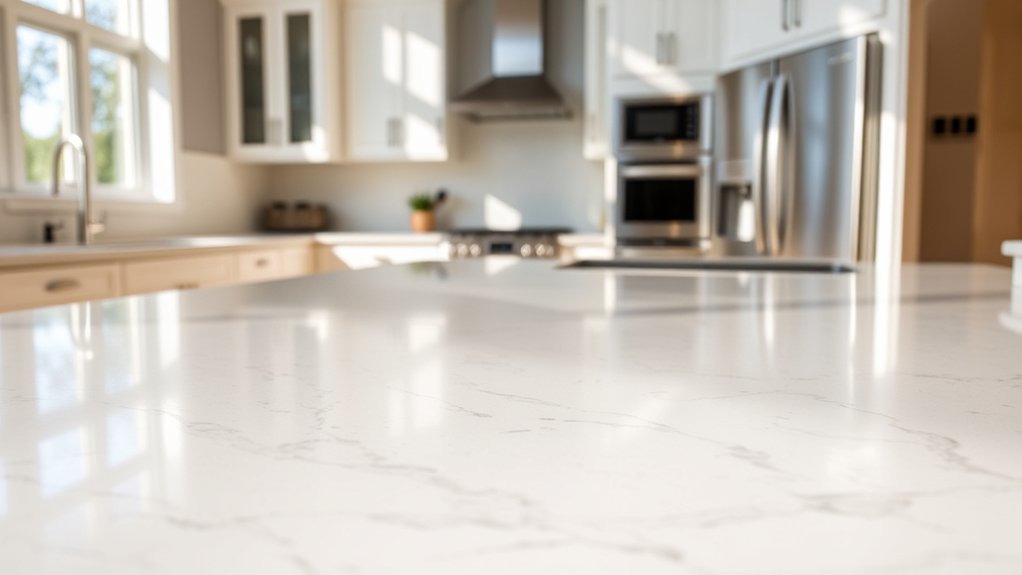
How much do kitchen countertops cost? The price varies widely based on your material selection and the countertop durability you need. Basic laminate options can start as low as $10 to $40 per square foot, offering budget-friendly choices but less durability.
If you want something more durable, materials like granite or quartz typically run between $50 and $100 per square foot. These options resist scratches and heat better, making them ideal for heavy use.
Marble and other natural stones might cost even more, often exceeding $100 per square foot, but they bring unique beauty and character. Solid surface materials like Corian fall in the mid-range, balancing cost and durability.
How Much Does Kitchen Labor Cost?
Choosing your countertop material sets the tone for your kitchen’s look and durability. But you’ll also need to take into account labor costs to complete the installation. Labor expenses can vary widely depending on the complexity of your project, including kitchen lighting and plumbing upgrades.
Skilled professionals typically charge between $50 and $150 per hour. Specialized tasks like electrical work or plumbing can increase costs.
Here’s what you should consider when budgeting for labor:
- Installation complexity Intricate countertop shapes or new kitchen lighting installations require more time and expertise.
- Plumbing upgrades Moving sinks or adding fixtures involves licensed plumbers, which adds to labor expenses.
- Project size A larger kitchen demands more labor hours, especially if multiple trades are involved.
How Much Should You Budget for Kitchen Flooring?
When you’re budgeting for kitchen flooring, it’s a good idea to think about both the cost of materials and the installation fees. Prices can really vary depending on what you pick—whether that’s tile, hardwood, or vinyl. Also, don’t forget that things like the size of your floor and the condition of the subfloor can affect the total cost too. So, it’s not just about the materials themselves; there are a few other factors that can influence your overall budget.
Flooring Material Price Range
Kitchen flooring costs can vary widely, ranging from budget-friendly options under $2 per square foot to premium materials that exceed $20 per square foot. When choosing your flooring, consider these three factors to balance style, budget, and sustainability:
- Tile patterns: Unique tile patterns can elevate your kitchen’s look without breaking the bank, offering both visual appeal and durability.
- Eco-friendly options: Bamboo and cork flooring provide sustainable choices that are both stylish and kind to the environment.
- Material quality: Laminate or vinyl might save you money upfront, but investing in hardwood or natural stone can increase your home’s value.
Installation Cost Factors
Although flooring material costs are important, you’ll also need to budget for installation, which can vary based on several key factors. The complexity of your kitchen’s layout plays a big role. More corners and patterns usually mean higher labor costs.
If you opt for eco friendly upgrades like bamboo or cork flooring, expect installation to take more time due to specialized handling. Furthermore, integrating smart technology, such as heated floors or sensor-activated lighting, can increase costs because of the extra wiring and setup involved.
Subfloor condition also matters. If repairs or leveling are needed, your budget should reflect that. By considering these factors, you’ll have a clearer idea of how much to allocate for flooring installation in your kitchen remodel.
How Much Do Kitchen Appliances Add to Your Budget?
Appliances can easily add thousands of dollars to your remodel budget, depending on the brands and features you choose. When planning, consider that appliance upgrades often come with a higher price tag but can also boost your kitchen’s energy efficiency and long-term savings.
Here’s what to keep in mind:
- Brand and Quality: High-end brands with advanced features can double or triple your appliance costs.
- Energy Efficiency: Investing in Energy Star-rated appliances might cost more upfront but lowers utility bills over time, making your remodel smarter financially.
- Quantity and Type: The number and type of appliances you need, like a refrigerator, stove, dishwasher, or microwave, each add to your total.
How Much Should You Set Aside for Unexpected Kitchen Expenses?
Because remodeling often uncovers hidden issues, you should set aside a contingency fund for unexpected expenses. These might include finding outdated wiring, water damage, or structural problems that weren’t visible before. Experts recommend allocating about 10-20% of your total kitchen remodel budget to this fund.
This cushion helps you handle surprises without disrupting your project or causing financial stress. When planning your budget, treat the contingency fund as a non-negotiable line item. Unexpected expenses can quickly add up, and having that reserved money lets you make decisions confidently without cutting corners on quality.
Keep track of any changes or surprises as the work progresses, so you can adjust your contingency fund if needed.
Frequently Asked Questions
How Long Does a Typical Kitchen Remodel Take?
A typical kitchen remodel takes about 6 to 12 weeks, depending on your kitchen layout and the extent of appliance upgrades. If you’re changing the layout or installing custom cabinets, expect more time.
Simple appliance upgrades usually speed things up. You’ll want to plan for delays, especially if you’re waiting on specialty items.
Staying organized and communicating clearly with your contractor helps keep your remodel on track and finishes sooner.
What Permits Are Needed for a Kitchen Remodel?
You’d think remodeling your kitchen means just picking out pretty tiles, but nope, you’ll need permits, too. The permit process guarantees you follow construction regulations, covering electrical, plumbing, and structural changes.
Skipping this step might save time now, but it’ll cost you headaches later. So, before swinging that hammer, check with your local building department to see which permits apply.
It’s not glamorous, but it’s essential to keep your remodel legit.
How Can I Make My Kitchen More Energy-Efficient?
You can make your kitchen more energy-efficient by choosing energy-saving appliances like refrigerators, dishwashers, and LED lighting. These use less electricity and water, cutting your utility bills.
Also, focus on insulation improvements, such as sealing gaps around windows and doors or adding insulation behind walls. This keeps your kitchen temperature stable and reduces heating and cooling costs.
Together, these steps help you save energy and create a more eco-friendly kitchen space.
What Are the Best Materials for Kitchen Backsplashes?
You’ll want to choose materials for your kitchen backsplash that combine durability with style. Ceramic and porcelain tiles offer great backsplash durability and come in endless design options to match your taste.
Glass tiles add a sleek, modern look and are easy to clean. For a more natural vibe, consider stone like marble or granite, but keep in mind they need sealing.
Ultimately, pick a material that fits your kitchen’s style and stands up to daily wear.
How Do I Choose the Right Kitchen Lighting?
Think of your kitchen lighting design like a director setting the stage. Your fixtures are the stars. To choose the right lighting, consider task, ambient, and accent layers that highlight your space’s strengths.
Fixture selection should blend style with function, ensuring bright countertops for cooking and softer lights for dining. You’ll want energy-efficient bulbs and adjustable options so you can easily shift the mood from work to relaxation without missing a beat.
Conclusion
When you plunge into a kitchen remodel, expect costs to surprise you like a popcorn machine on overdrive popping up everywhere! Cabinets, countertops, labor, appliances—they all add up faster than you’d think.
You’ll want to budget generously because unexpected expenses love to crash the party. But don’t let that scare you!
With smart planning, you’ll turn your kitchen dreams into reality without your wallet running for the hills. Understanding how much to expect with kitchen remodel costs will keep you prepared and confident throughout the process.