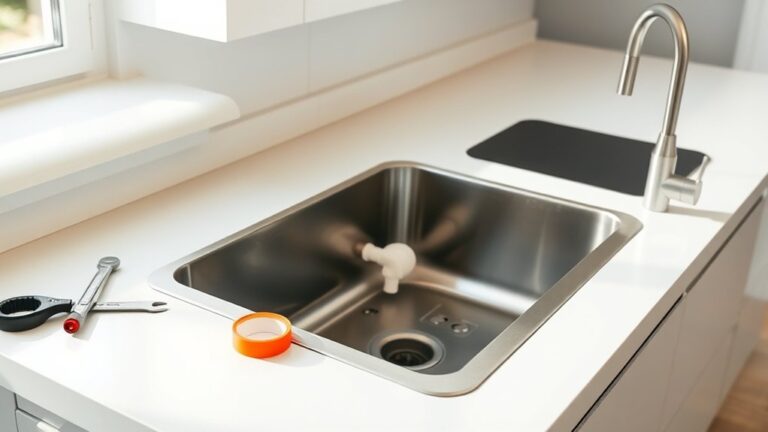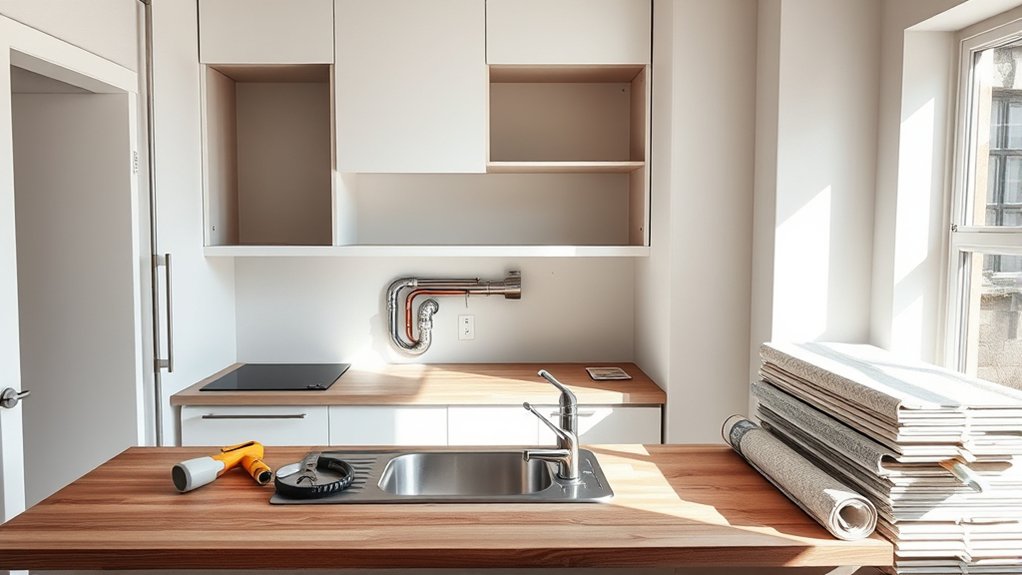
How Much Does It Cost to Remodel a Small Kitchen?
Remodeling a small kitchen can feel overwhelming, especially when you want to create a stylish and functional space without breaking the bank. You’re not alone—many people struggle with balancing costs, design choices, and practical upgrades.
If you’re wondering how much it costs to remodel a small kitchen, this guide will help you understand the key factors and find options that fit your budget.
You’ll typically spend between $10,000 and $25,000 to remodel a small kitchen, depending on your material choices, labor, and design complexity. Budget-friendly updates focus on color and lighting, while mid-range remodels use better materials and custom features.
Labor can be 20%–35% of your budget, and quality appliances add long-term value. Whether you choose DIY or contractors, smart planning helps you balance style, function, and cost.
Consider options to find what fits your needs best.
Key Takeaways
- Small kitchen remodels typically cost between $10,000 and $25,000, depending on materials and the scope of work.
- Labor accounts for 20% to 35% of the total budget. This depends on the project complexity and contractor expertise.
- Choosing a mix of budget-friendly and premium materials balances style, durability, and cost effectively.
- Appliances and fixtures should prioritize quality and energy efficiency. This helps reduce long-term expenses.
- Cost-saving strategies include refinishing cabinets, DIY tasks, and careful planning to avoid overspending.
Typical Price Ranges for Small Kitchen Remodels
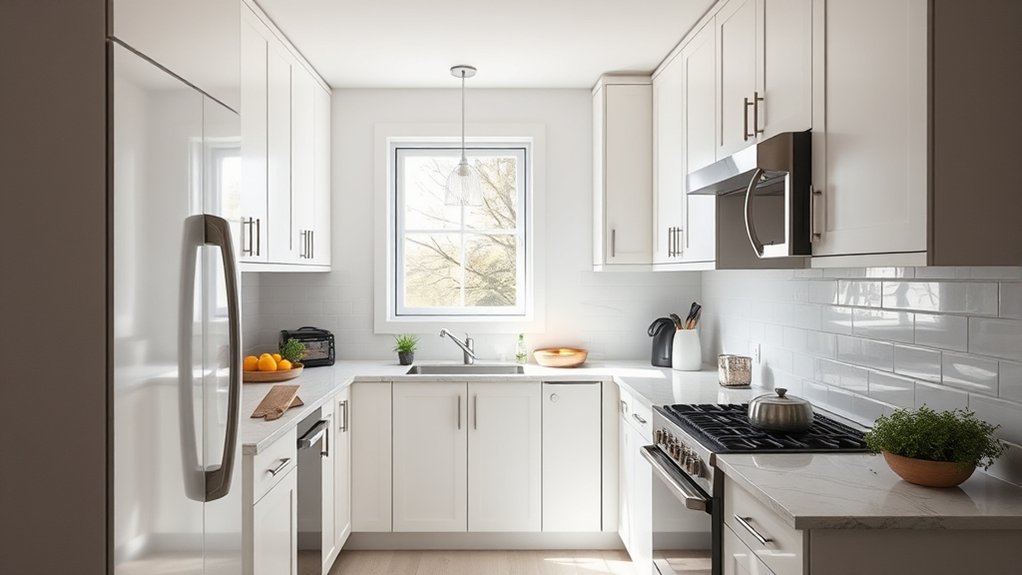
While costs can vary based on materials and labor, you can generally expect a small kitchen remodel to range between $10,000 and $25,000. This budget covers essential updates like new cabinets, countertops, and flooring.
A small kitchen remodel typically costs between $10,000 and $25,000 for key updates.
If you want to refresh your kitchen’s look without a full overhaul, consider changing color schemes and upgrading lighting fixtures. These can dramatically improve the space without breaking the bank.
Choosing lighter or brighter color schemes can make your small kitchen feel more open and inviting. Meanwhile, swapping out outdated lighting fixtures for modern, energy-efficient options elevates both functionality and style.
Keep in mind that mid-range remodels on the higher end of this price range often include better-quality materials and more extensive changes, such as custom cabinetry or professional-grade appliances.
Key Factors Affecting Small Kitchen Remodel Costs
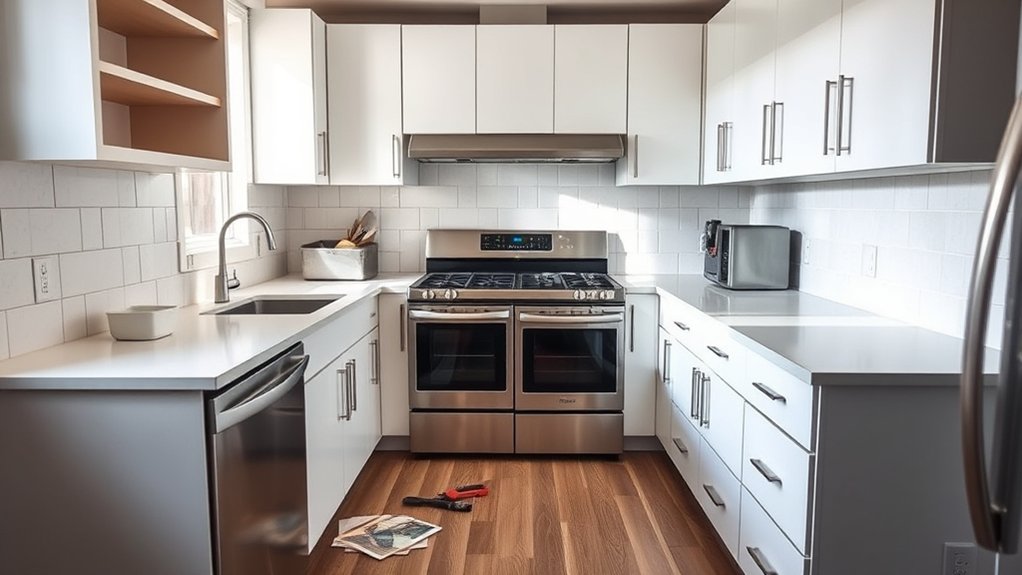
When you’re remodeling your small kitchen, the quality of materials you pick will really affect the overall cost. Plus, labor and installation fees can change depending on how complex your design is. So, getting a good grasp of these factors can help you plan a budget that matches your vision.
Material Quality Choices
Because the materials you choose directly impact both the look and durability of your kitchen, selecting the right quality level is essential to managing your remodel costs. You can opt for budget-friendly materials that still look great or invest in premium options for a longer-lasting, high-end finish.
For example, appliance upgrades vary widely. Stainless steel models cost more but offer better durability than basic versions. Likewise, lighting fixtures range from simple, affordable options to designer pieces that add style and functionality but increase your budget.
Choosing mid-range materials often strikes a balance between cost and quality, helping you avoid frequent replacements. By carefully selecting materials that fit your style and budget, you keep your small kitchen remodel both attractive and affordable without sacrificing performance.
Labor and Installation
Material choices set the tone for your remodel, but the quality of labor and installation often determines how well everything comes together. Skilled professionals guarantee your lighting fixtures are installed safely and function properly, enhancing your kitchen’s ambiance.
Proper installation of plumbing fixtures prevents leaks and water damage, saving you costly repairs down the line. Labor costs vary depending on the complexity of the work and the expertise required. If you hire experienced contractors, you’ll pay more upfront, but you’ll avoid mistakes that lead to expensive fixes later.
Don’t cut corners on labor. Quality installation protects your investment and assures your small kitchen remodel looks polished and lasts for years. Prioritize hiring reputable installers to get the most value from your remodeling budget.
Design Complexity Levels
Although every small kitchen remodel shares basic steps, the design complexity level greatly influences your overall cost. If you opt for a simple layout with standard cabinets and basic kitchen lighting, your expenses will stay on the lower side.
But when you choose custom storage solutions, intricate cabinetry, or advanced kitchen lighting systems, costs rise due to increased materials and labor. Complex designs often require rewiring for new lighting setups or structural changes to maximize storage in tight spaces.
Keep in mind, every added feature like pull-out shelves or under-cabinet lights adds to both time and budget. By understanding how design complexity impacts your project, you can make informed decisions that balance style, functionality, and cost in your small kitchen remodel.
How Material Choices Impact Your Remodel Budget
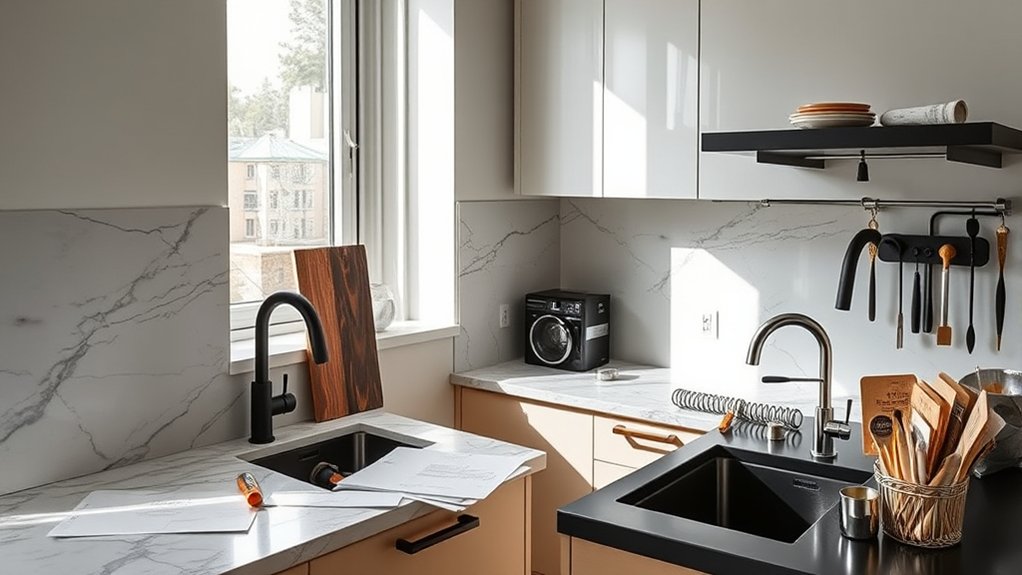
Choosing the right materials can make a big difference in your kitchen remodel budget. When picking countertop materials, you’ll find a wide range of options, from affordable laminate to high-end quartz or granite. Laminate keeps costs low and offers many patterns, while quartz and granite add durability and style but increase expenses.
Likewise, cabinet finishes impact your spending. Prefinished cabinets save money and time, while custom finishes let you tailor the look but come at a premium. Wood types also vary in price; maple and cherry cost more than MDF or plywood alternatives.
Keep in mind that balancing aesthetics with cost is key. You don’t have to splurge on every surface. Mixing budget-friendly choices with a few premium materials can elevate your kitchen without blowing your budget.
Budgeting for Appliances and Fixtures
After selecting your countertops and cabinets, it’s time to focus on appliances and fixtures, which play a big role in both your kitchen’s functionality and overall budget. When budgeting, consider the quality and energy efficiency of appliances, as they affect not just upfront costs but also long-term appliance maintenance expenses.
Opting for reliable brands might mean a higher initial price but can save you money on repairs down the line.
Fixture installation is another cost to factor in. Whether you choose a modern faucet, sink, or lighting, the installation process can impact your budget depending on complexity and compatibility with existing plumbing or wiring.
Make sure to set aside funds for professional fixture installation to avoid future issues. Balancing quality and cost here guarantees your kitchen works smoothly without unexpected expenses.
Typical Labor Costs in Small Kitchen Remodels
How much should you expect to pay for labor when remodeling a small kitchen? Labor typically accounts for 20% to 35% of your total remodel budget. Skilled professionals like carpenters, electricians, and plumbers handle essential tasks, from installing custom cabinetry to fitting eco friendly materials such as sustainable countertops or energy-efficient lighting.
Labor usually makes up 20% to 35% of your small kitchen remodel budget, covering skilled trades and eco-friendly installations.
Custom cabinetry installation often demands more time and precision, which can increase labor costs slightly compared to standard options. Choosing eco friendly materials might also require workers familiar with specific handling and installation techniques, influencing labor rates.
You can expect electricians and plumbers to charge hourly or flat fees depending on project complexity. To keep labor costs manageable, get detailed quotes from contractors and clarify which tasks are included.
Proper planning and clear communication help ensure your small kitchen remodel stays on budget while achieving the quality and sustainability you want.
Hidden Costs That Increase Small Kitchen Remodel Expenses
Labor costs might seem like the biggest expense in your small kitchen remodel, but several hidden costs can quietly drive up your budget. For example, unexpected plumbing or electrical issues often arise once walls or cabinets come down, adding repair expenses you didn’t plan for.
Upgrading kitchen storage to fit your needs might require custom solutions, which cost more than standard cabinets. Choosing new color schemes can also increase expenses if you opt for specialty paints or finishes that require extra labor.
Don’t forget about permits or inspections. These necessary steps can add fees you might overlook initially. Furthermore, upgrading appliances to match your remodel or adding lighting to complement your new color schemes can add up quickly.
How to Save Money on Your Small Kitchen Remodel
Though remodeling a small kitchen can be costly, you can keep expenses down by planning carefully and making smart choices. Here are four ways to save money without sacrificing style or functionality:
- Reuse and Refresh: Instead of replacing cabinets, consider repainting or refacing them. This saves money and reduces waste.
- Prioritize Essentials: Focus on upgrades that impact daily use, such as efficient appliances and durable countertops, rather than luxury features.
- DIY Where Possible: Handle tasks like painting or installing outdoor lighting yourself to cut labor costs, but know when to call a pro.
- Combine Projects: If you’re already investing in garden maintenance, coordinate outdoor lighting upgrades at the same time to get better deals and streamline expenses.
Contractor vs. DIY: Which Is Best for Your Small Kitchen Remodel?
Choosing between hiring a contractor and tackling your small kitchen remodel yourself can greatly affect your budget and timeline. If you have experience and time, DIY lets you control every detail, from selecting eco friendly materials to installing smart technology.
You’ll save labor costs but must handle challenges and delays on your own. On the other hand, a contractor brings expertise, efficient project management, and access to trade discounts, helping you complete complex tasks smoothly.
Contractors also ensure proper installation of smart technology and compliance with building codes. However, their fees add to your budget. Consider your skills, schedule, and comfort level with tools and permits.
If you want a quick, hassle-free remodel with professional finishes, hiring a contractor is best. But if you enjoy hands-on projects and want to save money while customizing your space with eco friendly materials and smart tech, DIY could be the right choice.
Either way, planning carefully will help you achieve a successful small kitchen remodel.
Creating a Realistic Budget for Your Kitchen Remodel
To create a realistic budget, start by estimating your material costs. Then, be sure to factor in labor expenses if you’re planning to hire help. Also, don’t forget to set aside a contingency fund for any unexpected issues that might pop up. Taking these steps will help you stay on track and avoid surprises along the way.
Estimating Material Costs
How much should you expect to spend on materials for your small kitchen remodel? It largely depends on your cooking styles and commitment to green building practices.
To estimate material costs accurately, consider these essentials:
- Cabinetry and Storage Choose materials that fit your cooking habits and maximize space.
- Countertops Opt for durable, eco-friendly surfaces that support your meal prep style.
- Appliances Select energy-efficient models aligned with green building standards.
- Flooring and Backsplash Pick sustainable materials that complement your kitchen’s design.
Labor Expense Considerations
When budgeting for your small kitchen remodel, have you factored in the labor costs? Labor often accounts for a significant portion of your budget, covering electricians, plumbers, and installers.
Keep in mind that skilled labor ensures proper installation, which protects appliance warranties and prevents costly repairs. Furthermore, labor costs may vary depending on permit requirements in your area.
Securing permits often means hiring licensed professionals who understand local codes, adding to expenses but safeguarding your investment. To create a realistic budget, get detailed quotes from contractors, specifying tasks included in labor fees.
Contingency Fund Importance
Why should you set aside extra money beyond your initial estimate when remodeling a small kitchen? Contingency planning is essential because unexpected costs often arise. You’ll want emergency funds ready to avoid halting your project mid-way.
Here’s why a contingency fund matters:
- Unforeseen structural repairs can surface once demolition begins.
- Material prices may increase unexpectedly.
- Design changes might be necessary as the project progresses.
- Labor costs can fluctuate due to delays or additional work.
Setting aside 10-20% of your budget as a contingency fund protects you from financial surprises. This proactive approach keeps your remodel on track, preventing stress and rushed decisions.
Financing Options for Your Small Kitchen Remodel
Although remodeling a small kitchen can be a rewarding investment, it often requires careful financial planning. To manage costs effectively, you’ll want to investigate various financing options that suit your budget.
Personal loans offer flexibility and quick approval, letting you focus on improvements like updated color schemes or smart storage solutions without delay. Home equity loans or lines of credit typically provide lower interest rates, making them a cost-effective choice if you have equity in your home.
Credit cards can cover smaller expenses but watch out for high-interest rates. Some contractors also offer financing plans, which can spread out payments conveniently.
Before committing, compare interest rates, terms, and monthly payments to find the best fit. By choosing the right financing option, you can confidently improve your kitchen’s style and functionality without compromising your financial stability.
Frequently Asked Questions
How Long Does a Small Kitchen Remodel Usually Take?
A small kitchen remodel usually takes about 3 to 6 weeks, depending on the scope. If you’re doing appliance upgrades, expect some extra time for installation and hookups.
Flooring options can also affect the timeline. Hardwood or tile might take longer to install than vinyl or laminate.
Staying organized and coordinating with contractors helps you avoid delays and get your updated kitchen ready faster.
What Permits Are Needed for a Kitchen Remodel?
You’ll typically need a building permit for structural changes during your kitchen remodel, especially if you’re moving plumbing or electrical lines for new kitchen appliances. If your project includes altering cabinet styles that affect the layout, permits might be required too.
Always check with your local building department before you start. Getting the right permits guarantees your remodel meets safety codes and helps you avoid costly fines or delays down the road.
How Do I Choose the Right Kitchen Layout?
To choose the right kitchen layout, focus on your workflow and space. If you love entertaining, a kitchen island can provide extra prep space and seating.
For a smaller area, open shelving keeps things airy and accessible without overwhelming the room. Think about how you move between the sink, stove, and fridge, the classic work triangle, and pick a layout that makes this flow smooth and efficient for your daily cooking.
What Are the Best Lighting Options for Small Kitchens?
You want lighting fixtures that practically shout, “Look how spacious this kitchen is!” Go for layered lighting, with bright task lights under cabinets, ambient ceiling lights, and maybe a stylish pendant.
Pair these with light color schemes to bounce light around and make your small kitchen feel huge. Don’t forget dimmers; they let you set the perfect mood.
With the right lighting fixtures and color schemes, you’ll turn your tiny kitchen into a dazzling, functional space.
How Can I Maximize Storage in a Small Kitchen?
You can maximize storage in a small kitchen by using smart organization techniques and space-saving fixtures. Install pull-out shelves, vertical dividers, and magnetic strips to keep utensils and spices neatly arranged.
Use wall-mounted racks and hooks to free up counter space. Opt for multi-functional furniture like fold-down tables or rolling carts. These solutions let you make the most of every inch, keeping your kitchen clutter-free and highly efficient.
Conclusion
Remodeling your small kitchen doesn’t have to break the bank like a medieval king’s feast. By understanding costs, choosing materials wisely, and weighing contractor versus DIY options, you can create a space that fits your budget and style.
Keep a realistic budget, plan for appliances, and consider financing options to avoid surprises. With careful planning, your kitchen upgrade will be both affordable and timeless.
In the end, knowing how much does it cost to remodel a small kitchen helps you make smart choices that turn your vision into reality without overspending.