How to Get Rid of Kitchen Gnats Quickly
Dealing with kitchen gnats can be incredibly frustrating, especially when they seem to appear out of nowhere and multiply quickly. You’re not alone—many people struggle with these tiny pests invading their kitchens and ruining mealtime.
If you’ve been searching for fast and effective ways to get rid of kitchen gnats, you’re in the right place.
To get rid of kitchen gnats quickly, cut off their food and moisture sources by cleaning spills, emptying trash often, and fixing leaks. Set up DIY traps using apple cider vinegar and dish soap near fruit or drains to catch adults fast.
Keep your kitchen dry and wipe down surfaces regularly to disrupt their breeding. If you keep going, you’ll find more effective ways to tackle gnats and stop them from coming back.
Key Takeaways
- Set up apple cider vinegar traps with dish soap near gnat hotspots like fruit bowls and trash bins to catch and kill adult gnats quickly.
- Clean kitchen surfaces and remove overripe fruit, spills, and garbage promptly to eliminate gnat food sources and breeding grounds.
- Dry out moist areas by fixing leaks, wiping sinks, and removing standing water to disrupt gnat larvae development.
- Regularly clean drains with boiling water and baking soda-vinegar mixtures to kill larvae and remove organic buildup.
- Use essential oil sprays or place herb pots like basil and mint near problem areas to repel gnats naturally and fast.
Why Do Kitchen Gnats Show Up and Where Do They Hang Out?
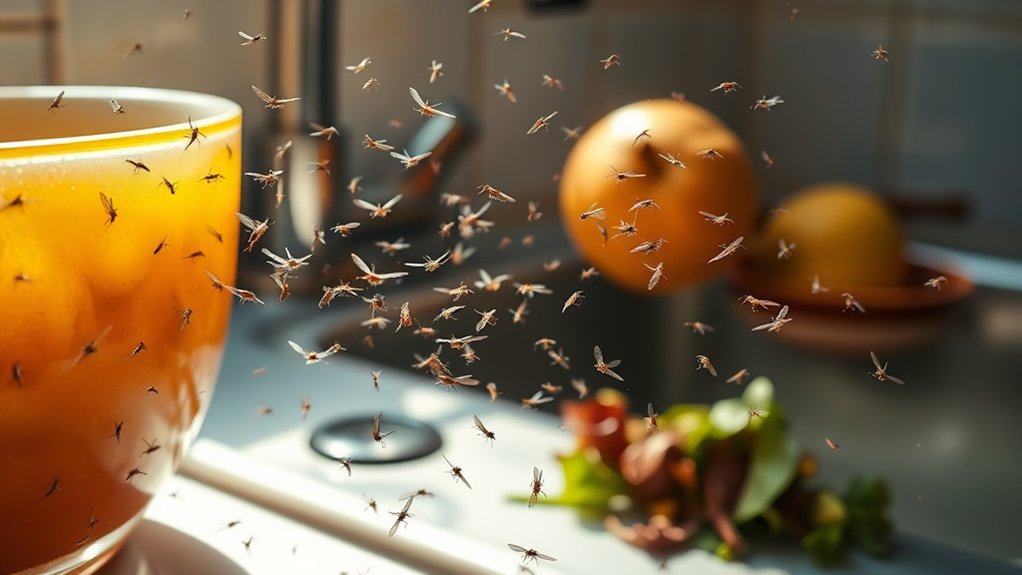
Although kitchen gnats might seem to appear out of nowhere, they’re usually drawn by moisture and food sources. You’ll often find them hovering around damp areas like sinks, drains, and overripe fruit because these spots offer ideal conditions for their gnat lifecycle to thrive.
The eggs hatch in moist environments, and the larvae feed on decaying organic matter, so indoor humidity plays a vital role in their presence. If your kitchen is humid or has water leaks, you’re creating a perfect breeding ground for these pests.
Gnats tend to hang out near garbage bins, compost piles, and plant soil where moisture and food particles accumulate. By understanding where they breed and rest, you can target these areas effectively.
Reducing indoor humidity and promptly cleaning food residues disrupts their lifecycle, helping you keep gnats at bay. You’ve got the power to control them by managing moisture and removing their favorite hangouts.
How to Tell Different Kitchen Gnats Apart
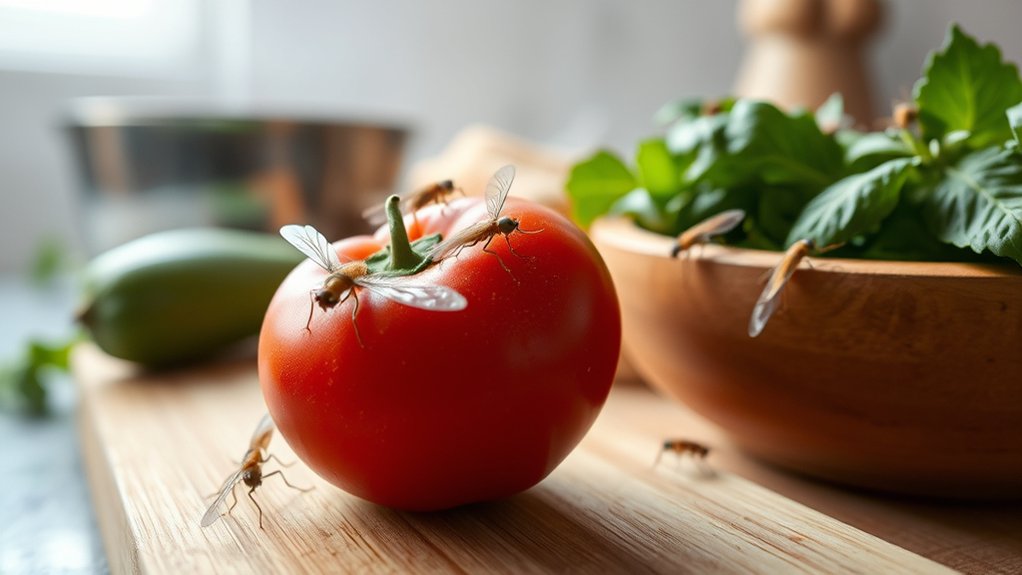
Since kitchen gnats come in several varieties, knowing how to tell them apart helps you choose the best control method. Start by understanding the gnat lifecycle: larvae usually thrive in moist environments, while adults are tiny flies with distinct features.
Understanding kitchen gnats and their lifecycle is key to effective identification and control.
Identification techniques include observing size, color, and wing shape. For instance, fungus gnats are small, dark, with long legs and clear wings. They often hover near houseplants.
Fruit flies are slightly bigger, with a yellowish-brown body and red eyes. You’ll commonly find them around ripe or rotting fruit.
Drain flies look fuzzy with broad wings and tend to rest near sinks or drains. Paying attention to where you spot them also helps since each type favors different breeding spots.
Quick DIY Traps to Catch Kitchen Gnats Fast
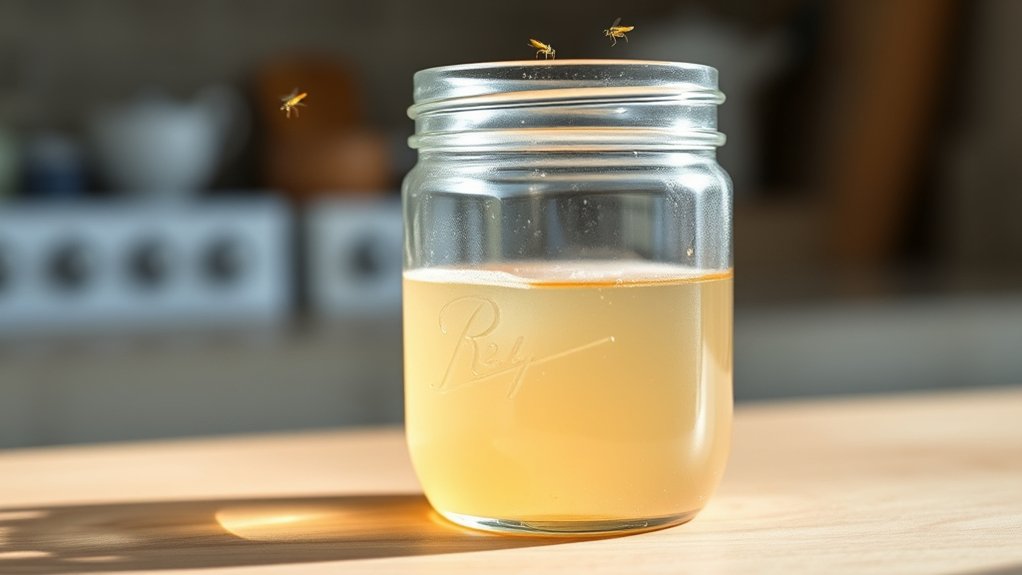
You can catch kitchen gnats quickly using simple DIY traps you create at home. One popular method is the apple cider vinegar trap—it’s super easy to set up and really effective.
Another trick is mixing wine with a bit of soap. The gnats get attracted to the wine, and the soap helps trap them.
Or, if you have some overripe fruit lying around, you can use that as bait too. These methods work fast and help you cut down on gnats without much hassle.
Apple Cider Vinegar Trap
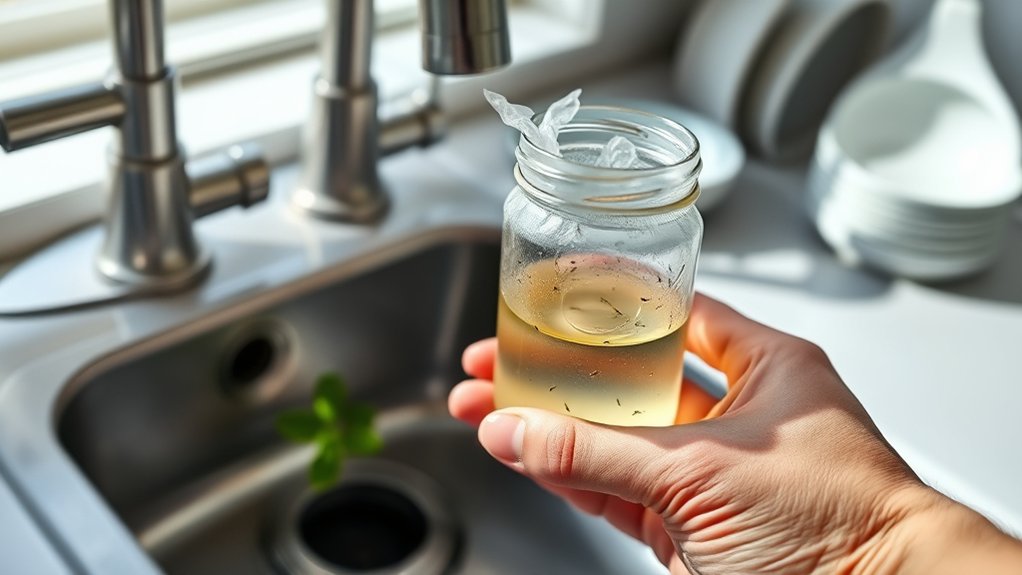
If you want to catch kitchen gnats fast, an apple cider vinegar trap is one of the simplest and most effective methods you can try. Pour some apple cider vinegar into a small bowl or jar, then add a few drops of dish soap to break the surface tension.
The vinegar’s scent attracts fruit flies and gnats, while the soap traps them by preventing escape. Place this trap near where you notice the most gnat activity, like fruit bowls or trash cans.
For added effectiveness, combine it with sticky traps nearby to catch any that avoid the vinegar. This DIY trap is cheap, non-toxic, and highly efficient, helping you reduce those annoying pests quickly without harmful chemicals.
Wine And Soap Solution
Although kitchen gnats can be persistent, mixing wine with a few drops of dish soap creates a powerful trap that lures and captures them quickly. To make this wine solution, pour a small amount of red or white wine into a shallow dish or bowl.
Add just a few drops of dish soap, which works as the soap remedy by breaking the surface tension of the wine. This causes the gnats to sink and prevents them from escaping once they land. Place the trap near gnat hotspots like your sink or fruit bowl.
The sweet scent of the wine attracts the gnats, while the soap remedy ensures they get trapped. Check and refresh the wine solution every couple of days to keep it effective. This simple trap offers a quick, natural way to reduce gnats fast.
Overripe Fruit Bait
One of the easiest traps to set involves using overripe fruit as bait. You can place small pieces of overripe fruit, like banana or apple slices, in a shallow bowl. Cover the bowl with plastic wrap and poke a few tiny holes in it.
The sweet smell of fruit decay will attract kitchen gnats, drawing them into the trap. Once gnats enter through the holes, they can’t escape. Change the fruit every couple of days to keep the bait effective and prevent excessive mold growth.
This simple DIY trap uses the gnats’ natural attraction to overripe fruit to reduce their numbers quickly. It’s an effective, chemical-free way to control gnats while you tackle the root cause of the infestation.
How to Clean Your Kitchen to Stop Gnat Breeding
To stop gnats from breeding, you’ve got to get rid of any food residue that attracts them. It’s really important to make sure there’s no standing water around, too.
Also, don’t forget to give your drains a good, thorough cleaning since those are common spots where gnats like to lay eggs.
Remove Food Residue
Since gnats are attracted to leftover food and spills, you need to clean your kitchen thoroughly to cut off their breeding grounds. Understanding kitchen gnat biology helps you target their food sources, interrupting the gnat lifecycle before it advances.
Focus on these three key steps:
- Wipe down countertops and stove areas daily to remove crumbs and spills that attract gnats.
- Clean inside and under appliances where food residue can accumulate unnoticed.
- Regularly empty and clean trash bins to prevent fermenting organic matter from becoming a gnat nursery.
Eliminate Standing Water
Cleaning up food residue is a great start, but gnats also thrive in damp environments. To stop them from breeding, eliminate standing water wherever you find it. Check under your sink, around your dishwasher, and near any plants.
Dry these areas thoroughly after cooking or washing dishes. Incorporate this step into your kitchen organization routine to prevent moisture buildup. Use cooking tips like wiping down counters and promptly cleaning spills to minimize damp spots.
Don’t forget to empty and dry drip trays regularly. By keeping your kitchen dry and well-organized, you reduce the ideal conditions gnats need to multiply. Staying proactive with these habits helps you maintain a gnat-free kitchen environment efficiently and effectively.
Clean Drains Thoroughly
Although you might not notice them immediately, kitchen drains provide a perfect breeding ground for gnats. To keep your kitchen decor fresh and your cooking tips effective, you need to clean drains thoroughly. Here’s how:
- Pour boiling water down the drain to kill larvae and loosen grime.
- Use a mixture of baking soda and vinegar. Pour baking soda first, then vinegar. Let it fizz for 10 minutes before rinsing with hot water.
- Scrub the drain cover and surrounding area with a brush to remove organic buildup where gnats thrive.
Regularly cleaning drains prevents gnats from multiplying and keeps your kitchen hygienic. Make this simple step part of your cleaning routine to maintain a gnat-free cooking space and protect your kitchen decor from pest damage.
Managing Kitchen Gnats in Drains and Garbage
When kitchen gnats invade your drains and garbage, they thrive on the damp, organic buildup that often goes unnoticed. Understanding gnat lifespan and breeding habits helps you tackle them effectively. These pests can live up to two weeks, and during that time, females lay hundreds of eggs in moist areas like drains and trash bins.
Their larvae feed on decaying matter, which accelerates infestations. To manage gnats, regularly empty your garbage and rinse bins to remove food residues. Use a drain brush or pipe cleaner to scrub inside drains, disrupting their breeding grounds.
Running hot water through drains daily helps wash away organic buildup. Seal garbage bags tightly and clean spills promptly to cut off their food source. By staying vigilant and interrupting their lifecycle, you’ll reduce gnat populations quickly and prevent new generations from establishing in your kitchen’s hidden corners.
Natural Remedies to Repel Kitchen Gnats
You can use essential oils like peppermint or eucalyptus to keep gnats away naturally. They have strong scents that these little pests just don’t like. Another simple trick is setting up homemade vinegar traps—just a small bowl of apple cider vinegar with a drop of dish soap does the job. It’s an easy way to catch and reduce their numbers without any harsh chemicals. Plus, fresh herbs like basil and rosemary aren’t just great for cooking; they also help repel those pesky insects. So, having them around your kitchen can be a win-win!
Essential Oils For Repelling
Since kitchen gnats are sensitive to strong scents, essential oils offer a natural and effective way to keep them at bay. Using essential oils for pest control lets you avoid harsh chemicals while protecting your kitchen. Here’s how to use them:
- Peppermint Oil Its sharp aroma disrupts gnats’ senses, making your kitchen less inviting. Mix a few drops with water in a spray bottle and spritz around problem areas.
- Eucalyptus Oil Known for its insect-repelling properties, it works well when diffused or applied on cotton balls near fruit bowls.
- Lavender Oil Besides a pleasant scent, it repels gnats effectively. Use it in a diffuser or dilute with water for a spray.
Try these essential oils regularly to maintain a gnat-free kitchen naturally.
Homemade Vinegar Traps
Strong scents like essential oils can deter gnats, but trapping them requires a different approach. Homemade vinegar traps offer an effective, natural method for kitchen pest control.
To make one, pour apple cider vinegar into a small bowl and add a few drops of dish soap. The vinegar’s smell attracts gnats, while the soap breaks surface tension, trapping them.
Place your trap near fruit bowls or trash cans where gnats gather. This DIY cleaning hack is simple, affordable, and non-toxic, making it perfect for your kitchen.
Refresh the trap every couple of days to maintain its effectiveness. Using vinegar traps alongside regular cleaning routines helps you quickly reduce gnat populations and keep your kitchen pest-free without harsh chemicals.
Fresh Herbs Benefits
While vinegar traps effectively lure and catch gnats, incorporating fresh herbs into your kitchen can repel them naturally and keep your space smelling pleasant. Using herbal remedies not only deters gnats but also adds a fresh aroma to your cooking area.
Here are three fresh herbs you can use:
- Basil Its strong scent confuses gnats and keeps them away.
- Mint Easy to grow, mint’s pungent smell acts as a natural insect repellent.
- Lavender This herb’s fragrance is pleasant to you but unpleasant to gnats.
Place pots of these herbs near fruit bowls or sinks for maximum effect. Plus, these herbs can improve your dishes, making them a win-win addition. Remember, combining these herbal remedies with cooking tips ensures a gnat-free kitchen that smells great.
How to Use Commercial Gnat Sprays Safely
Before you start using commercial gnat sprays, make sure you read the label carefully to understand the proper application and safety precautions. This guarantees you apply the spray effectively without risking your health or damaging your kitchen surfaces.
Always wear gloves and ventilate the area well to avoid inhaling chemicals. Keep children and pets away during and after spraying until the product dries completely.
Wear gloves, ventilate the area, and keep kids and pets away until spray dries completely.
Follow the instructions precisely to maximize chemical effectiveness. Overusing sprays won’t speed up results but can increase exposure risks.
Target spray areas where gnats frequent, like drains and trash bins, rather than broad kitchen surfaces. After spraying, wash your hands thoroughly and store the product out of reach.
Signs You Need Professional Help for Kitchen Gnat Control
If your efforts to control kitchen gnats aren’t working and their numbers keep growing, it’s time to contemplate professional help. Understanding gnat biology can reveal why some infestations become stubborn. Gnats reproduce rapidly, and their larvae hide in places you might miss, making DIY pest control methods ineffective.
Look out for these signs indicating you need expert intervention:
- Persistent Swarms: Despite repeated cleaning and sprays, gnats keep swarming your kitchen.
- Hidden Breeding Sites: You can’t locate the source, as gnats thrive in unseen moisture or decaying organic matter.
- Worsening Infestation: The problem spreads beyond the kitchen into other areas of your home.
When these signs appear, professionals use targeted pest control methods designed for the gnats’ life cycle, ensuring thorough elimination. Don’t wait, calling experts can save you time and frustration while protecting your home from escalating infestations.
Long-Term Tips to Keep Your Kitchen Gnat-Free
To keep your kitchen gnat-free in the long run, you’ll need to adopt consistent habits that eliminate their breeding grounds and reduce attractants. Start by improving your kitchen organization. Store fruits and vegetables in the fridge or sealed containers instead of leaving them out. This limits access to the gnats’ favorite food sources.
Regularly empty your trash and compost bins to avoid lingering odors that attract gnats. Incorporate smart cooking tips like wiping down counters immediately after food prep, especially around fruit and vegetable areas. Clean your sink drains often since gnats can breed in the organic buildup there.
Use airtight containers for pantry items to avoid spills and crumbs.
Preventing Kitchen Gnat Infestations Before They Start
Since gnats reproduce quickly, taking proactive steps can save you from a bigger infestation down the line. To prevent kitchen gnats from invading your space, focus on stopping their breeding grounds before they start multiplying. Here are three key steps to keep in mind:
Act early to stop kitchen gnats by targeting their breeding grounds before they multiply.
- Keep your kitchen dry and clean. Gnats thrive in moist environments, so wipe down counters, fix leaks, and avoid leaving standing water.
- Manage your indoor plants carefully. Overwatering indoor plants creates damp soil, which attracts gnats. Let the soil dry between waterings and consider using sand or gravel on top to deter garden pests.
- Store food properly. Seal fruits, vegetables, and other perishables in airtight containers to reduce attractive odors.
Frequently Asked Questions
Can Kitchen Gnats Harm My Health or Contaminate Food?
Kitchen gnats generally don’t harm your health directly, but they can contaminate food and surfaces, especially if they’ve been near decaying matter or indoor plants. Poor air circulation can make your kitchen more inviting to them.
You’ll want to keep your indoor plants’ soil dry and improve air flow to discourage gnats from multiplying. Taking these steps helps protect your food and maintain a healthier kitchen environment.
Do Certain Types of Fruit Attract Gnats More Than Others?
Oh, sure, if you want to throw a gnat party, just leave bananas and mangoes out! Certain fruit types, like overripe bananas, melons, and peaches, have the highest gnat attraction because of their sweet scent and moisture.
You’ll notice these tiny freeloaders swarm your kitchen faster than you can say “fruit salad.” So, if you don’t want gnats crashing your snack time, keep those tempting fruit types sealed or refrigerated!
Are Gnats More Active During Specific Times of the Day?
Yes, gnats are more active during specific times of the day. You’ll notice their peak hours usually happen around dawn and dusk when the light is low.
While some gnats show night activity, most prefer these dim times for feeding and breeding. Understanding their active periods helps you target your efforts effectively, so you can reduce their presence by acting during their peak activity times.
Can Pets Bring Kitchen Gnats Into the House?
Think of your pet as a tiny traveler carrying unseen seeds. Gnats can hitch a ride on their fur or paws, bringing unwelcome guests into your kitchen.
Keeping up with pet hygiene is essential since damp fur or food crumbs can create perfect gnat breeding sites. By regularly cleaning your pet’s bedding and washing their paws, you cut off the gnats’ entry and breeding grounds, helping you maintain a pest-free kitchen environment.
Is It Normal for Gnats to Return After Treatment?
Yes, it’s normal for gnats to return after treatment because their eggs can be hidden in places like indoor plants’ soil. You’ll need to keep checking and maintaining your space.
Using DIY traps helps catch adult gnats, reducing their numbers, but you must also address breeding sites. Regularly inspecting and revitalizing traps, along with proper plant care, will help you keep these pests under control long-term.
Conclusion
Kitchen gnats might seem like tiny storms swirling in your peaceful kitchen, but with the right traps and cleaning, you can calm the chaos. Think of your kitchen as a garden—when you remove the breeding grounds and nurture cleanliness, gnats lose their foothold.
By staying vigilant and using smart prevention, you’ll keep your space fresh and clear, turning your kitchen back into the sanctuary it’s meant to be, free from those buzzing invaders. Getting rid of kitchen gnats quickly is all about consistent care and simple tricks that work.