How Tall Are Kitchen Base Cabinets?
Struggling to find kitchen base cabinets that fit just right? You’re not alone. Many people grapple with choosing cabinets that offer the perfect height for comfort and functionality. After all, the right cabinet height can make a huge difference in your cooking experience and overall kitchen flow.
Kitchen base cabinets typically stand around 34.5 inches tall without the countertop, giving you a comfortable workspace height. This standard can shift if you use thicker countertops like granite or quartz, or if you adjust for your height and kitchen style.
Adjustable legs let you fine-tune the height for better ergonomics and fit. If you want to guarantee your cabinets suit your needs perfectly, it helps to investigate how design, materials, and appliances impact their height and function.
Key Takeaways
- Standard kitchen base cabinets are typically 34.5 inches tall without the countertop.
- Cabinet heights vary from 32 to 38 inches based on user height and ergonomic needs.
- Adjustable legs allow fine-tuning of cabinet height for comfort and leveling on uneven floors.
- Countertop thickness, usually 1¼ to 2 inches, affects the overall height of the base cabinet assembly.
- Custom and modern kitchens often modify base cabinet heights to match appliances and design preferences.
What Is the Standard Height of Kitchen Base Cabinets?
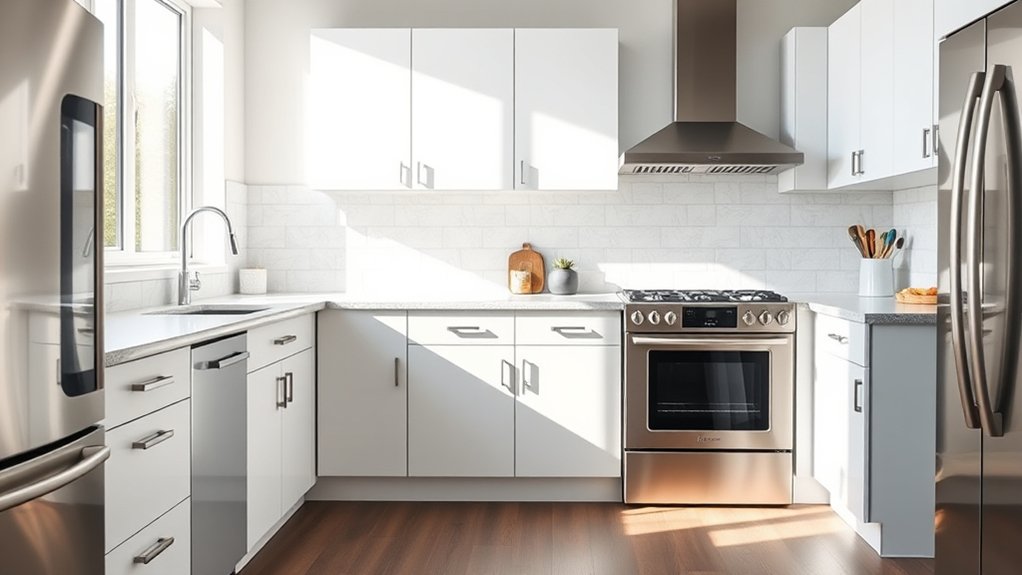
Although kitchen base cabinets come in various sizes, the standard height is typically 34.5 inches without the countertop. When you choose your cabinets, keep in mind that this height suits most kitchen designs and offers comfortable workspace ergonomics.
You’ll find base cabinets made from various cabinet materials, such as plywood, MDF, or solid wood, each affecting durability and price. As you select your cabinets, consider the color options available since they considerably impact your kitchen’s aesthetic.
Whether you prefer classic white, bold navy, or natural wood tones, color options help you personalize your space. Remember, the base cabinet height remains consistent regardless of the cabinet material or color you pick, ensuring compatibility with standard countertops and appliances.
Why Countertop Thickness Changes Kitchen Base Cabinet Height
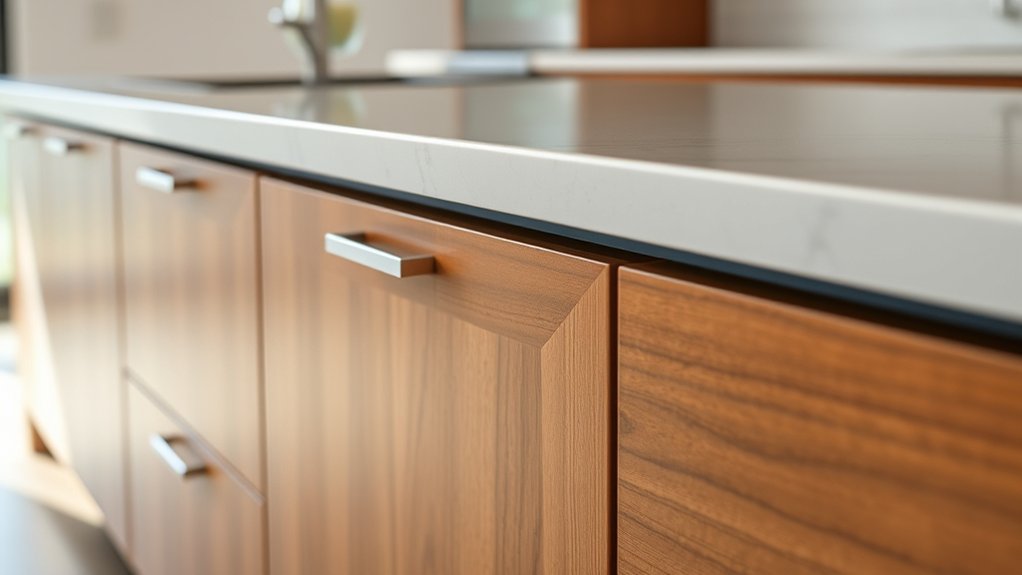
How does the thickness of your countertop affect the overall height of your kitchen base cabinets? When you choose a thicker countertop, it adds height above the base cabinets, which means the cabinets themselves may need to be slightly shorter to maintain proper ergonomic standards.
Countertop thickness varies depending on materials. Granite or quartz slabs often range from 1¼ to 2 inches thick, while laminate options might be thinner. If you don’t adjust your cabinet height to account for this, your workspace could end up too tall or too short, impacting comfort.
Manufacturers and designers consider countertop thickness to guarantee the combined height of cabinets plus countertop aligns with ergonomic standards. This keeps your kitchen functional and comfortable for daily tasks.
Why Cabinet Height Matters for Kitchen Comfort and Ergonomics
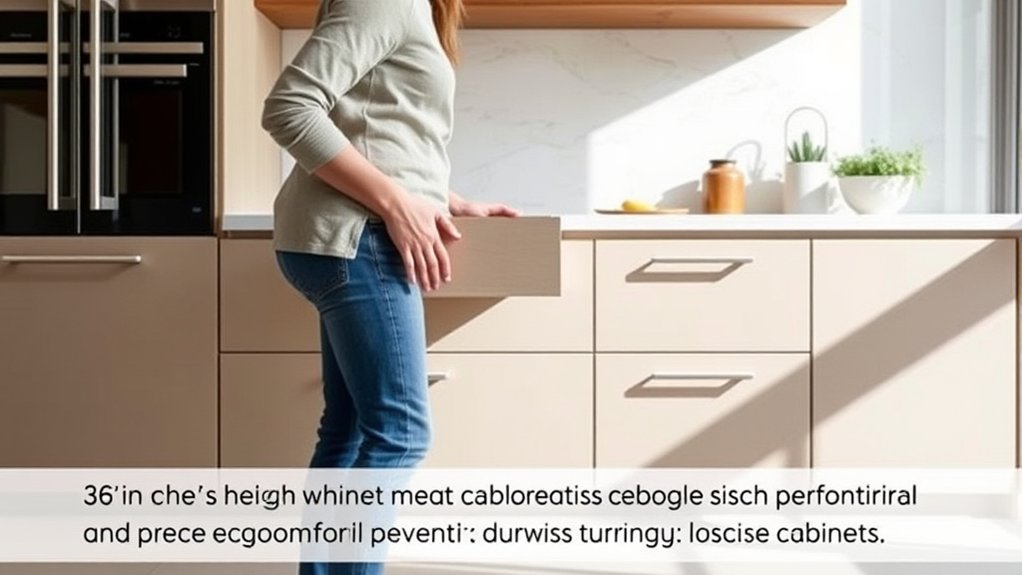
When you spend a lot of time in the kitchen, the height of your base cabinets directly impacts your comfort and efficiency. If cabinets are too low or too high, you’ll strain your back, shoulders, or wrists. That can make cooking and cleaning less enjoyable. Proper cabinet height supports better posture, reducing fatigue and keeping you comfortable during meal prep.
Beyond comfort, cabinet height plays a vital role in kitchen safety. When your work surface is at an ideal height, you minimize awkward movements that could lead to accidents. Plus, it helps you reach items without stretching or bending dangerously.
Correct cabinet height also improves storage optimization. It allows you to design drawers and shelves that fit your needs perfectly, making it easier to organize utensils, pots, and pantry items. Ultimately, choosing the right height ensures your kitchen is safer, more functional, and tailored to how you work.
How to Measure Your Ideal Base Cabinet Height for Comfort
To find your ideal base cabinet height, start by checking out the standard height guidelines—they’re a great reference point. Then, take some time to measure your countertop space carefully to ensure everything fits comfortably. Also, keep ergonomic factors in mind; this way, your kitchen will work better for you and feel more natural to use.
Standard Height Guidelines
Although standard kitchen base cabinets typically measure 34.5 inches in height, you’ll want to take into account your own comfort and workspace needs before settling on this size. Your ideal base cabinet height depends on how you use your kitchen and your body’s dimensions.
Consider the thickness and type of your countertop materials. Granite or quartz can add an inch or more, affecting overall height. Proper kitchen lighting also plays a role; under-cabinet lights or task lighting may require specific cabinet heights to avoid glare or shadows.
When measuring, stand at your typical working position and gauge what height feels natural for chopping, mixing, or prepping. Adjusting cabinet height slightly above or below the standard can make your kitchen more functional and comfortable every day.
Measuring Your Countertop Space
Since your comfort depends heavily on the height of your countertop, you should carefully measure your workspace before choosing base cabinets. Start by considering your preferred countertop material, as thickness varies and affects total height.
Next, factor in the cabinet paint thickness, which can slightly add to the cabinet’s dimensions. Use a level and tape measure to get precise results.
| Step | Tool Needed | What to Note |
|---|---|---|
| Measure cabinet height | Tape measure | Base cabinet frame only |
| Add countertop thickness | Manufacturer specs | Includes material thickness |
| Account for paint thickness | Visual estimate | Usually 1-2 mm on surfaces |
| Final height | Sum of all above | Ensures ideal working comfort |
Accurate measuring helps you pick the perfect base cabinet height for your kitchen setup.
Ergonomic Considerations for Comfort
Measuring your countertop space gives you a solid foundation, but comfort depends on more than just numbers. To find your ideal base cabinet height, consider these ergonomic factors:
- Your height: Measure from the floor to your wrist while standing relaxed. Your base cabinet height should be close to this to reduce strain when prepping food.
- Cabinet hardware placement: Choose handles and knobs that are easy to reach and use without awkward bending or stretching.
- Color coordination: Select colors that create a visually comfortable space, as this impacts your overall kitchen experience and can even influence how you perceive your workspace height.
Base Cabinet Height Differences by Kitchen Design Style
You’ll find that traditional kitchens usually stick to standard base cabinet heights for a classic look and feel. But modern designs often mix things up with varying heights to improve both ergonomics and style. And if you’re going for a custom kitchen, you can tweak the cabinet height to perfectly match your needs and preferences.
Traditional Cabinet Heights
How do traditional kitchen base cabinet heights compare across different design styles? When you’re working with traditional styles, the base cabinet height usually sticks to a comfortable standard to complement classic kitchen decor. Here’s what you can expect:
- Standard Height: Most traditional base cabinets measure 34.5 inches tall without the countertop, providing a practical work surface height.
- Toe Kick Consideration: A 4.5-inch toe kick is typical, allowing you to stand close while cooking or prepping.
- Cabinet Paint and Finish: Traditional kitchens often feature painted cabinets in soft whites or muted tones, enhancing the timeless look.
These heights balance function and style, ensuring your kitchen feels inviting while accommodating everyday tasks smoothly.
Modern Kitchen Variations
While traditional base cabinets stick to a reliable height, modern kitchen designs offer more flexibility to fit different needs and aesthetics. You might find base cabinets ranging from 34 to 36 inches tall, depending on the kitchen decor style you choose.
Sleek, minimalist kitchens often feature slightly taller cabinets to create a streamlined look, while rustic or industrial designs might keep them shorter to emphasize raw cabinet materials like reclaimed wood or metal.
Furthermore, ergonomic considerations come into play, especially if you spend a lot of time cooking. Modern kitchens also experiment with mixed heights, combining different cabinet heights to add visual interest and functionality.
Custom Design Adjustments
Because different kitchen styles prioritize both function and form, base cabinet heights often vary to match those needs. When customizing your kitchen, you can adjust cabinet height based on design preferences, cabinet material, and color options to create a balanced look and practical workspace.
Here are three key considerations for custom design adjustments:
- Ergonomics: Tailor the cabinet height to your comfort, especially if you use specific countertop materials that affect surface thickness.
- Style Influence: Traditional kitchens might have taller base cabinets for decorative moldings, while minimalist designs favor lower profiles.
- Material and Finish: Heavier cabinet materials may require sturdier bases, slightly increasing height, and color options can visually impact perceived height.
Adjusting base cabinet height lets you blend style and utility perfectly in your unique kitchen space.
Picking Kitchen Base Cabinet Height for Different User Heights
When choosing the perfect height for your kitchen base cabinets, you should consider the height of the primary users. Cabinets that match your stature improve comfort and efficiency, allowing better reach and reducing strain during meal prep.
Also, integrating decorative cabinet accents tailored to your chosen height elevates your kitchen’s style without compromising storage optimization.
Here’s a quick guide to help you pick:
| User Height Range | Ideal Cabinet Height | Notes |
|---|---|---|
| Under 5’4” | 32-34 inches | Easier access, less bending |
| 5’4” to 5’9” | 34-36 inches | Standard, balanced comfort |
| Over 5’9” | 36-38 inches | Reduces need to stoop |
Adjusting base cabinet height based on these ranges ensures your kitchen feels personalized, functional, and stylish with seamless decorative accents and optimized storage.
How Adjustable Legs Help Customize Cabinet Height
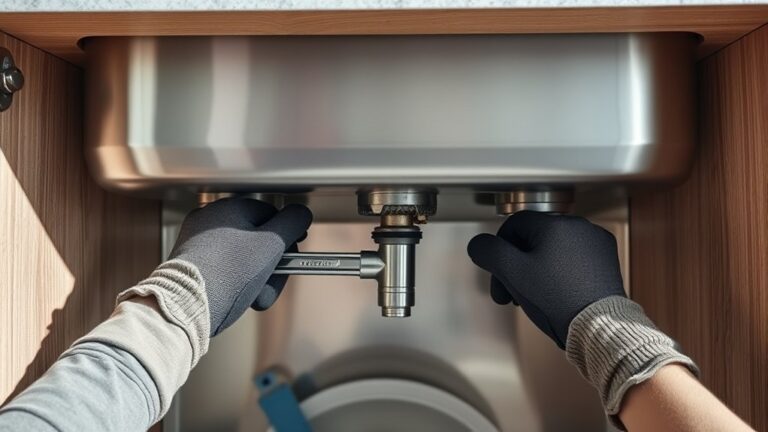
If you want to tailor your kitchen base cabinets to your exact needs, adjustable legs offer a simple and effective solution. These legs let you fine-tune cabinet height without major modifications, making customization quick and hassle-free.
Here’s how adjustable legs help customize cabinet height:
- Easy Height Adjustments: You can raise or lower cabinets in small increments, ensuring a comfortable countertop height that suits your preferences.
- Compensate for Uneven Floors: Adjustable legs help level cabinets on uneven surfaces, preventing wobbling and keeping everything properly aligned.
- Simplify Installation: With adjustable legs, you avoid cutting or rebuilding cabinet bases, saving time and preserving the cabinet’s integrity.
Making Cabinets Fit Appliances: Adjusting Height for Integration
You’ll want to start by knowing the standard cabinet heights to make sure your appliances fit smoothly. That way, you can avoid any surprises when it’s time to install.
Adjusting the cabinet dimensions lets you customize the space to fit different appliance sizes perfectly. It’s all about making everything work together seamlessly.
Just keep appliance compatibility in mind throughout the process, so you don’t end up with gaps or awkward fits in your kitchen layout. A little planning goes a long way!
Standard Cabinet Heights
Although standard kitchen base cabinets typically measure 34.5 inches in height, you’ll often need to modify this dimension to fit appliances seamlessly. Most base cabinets sit on a 4.5-inch toe kick, making the countertop height about 36 inches. This suits most kitchen tasks.
To keep your kitchen cohesive, consider these factors:
- Appliance Height: Make sure your cabinets align perfectly with appliances like dishwashers or ovens for a flush look.
- Color Schemes: Choose cabinet colors that complement your appliances and overall kitchen design.
- Lighting Options: Install under-cabinet lighting to improve workspace visibility and highlight your color choices.
Adjusting standard heights thoughtfully helps create an integrated, functional kitchen without sacrificing style.
Customizing Cabinet Dimensions
When integrating appliances into your kitchen, adjusting cabinet heights becomes essential to achieve a seamless fit. You’ll want to customize cabinet dimensions to guarantee your appliances sit flush with the surrounding cabinetry.
Start by measuring your appliances carefully and then modify the base cabinet height accordingly. Keep in mind the cabinet material, as some materials allow easier modifications without compromising durability.
For example, solid wood cabinets can be trimmed or built taller with less risk than particleboard. Also, consider color coordination to maintain a cohesive look between your cabinets and appliances.
Custom heights can help appliances blend in, especially when paired with matching cabinet finishes or colors. By adjusting cabinet heights thoughtfully, you’ll create a kitchen that looks polished and functions efficiently.
Appliance Compatibility Tips
If your appliances don’t fit standard cabinet heights, adjusting the base cabinets is key to seamless integration. Proper appliance placement guarantees your kitchen functions smoothly without awkward gaps or misalignments.
Here are three tips to help you make your cabinets work with your appliances:
- Measure the appliance height precisely, including clearance for vents and doors, before modifying cabinet height.
- Choose countertop materials that complement the adjusted cabinet height, maintaining a balanced look and durable surface.
- Consider raising or lowering cabinets around appliances to create a flush, built-in appearance that improves overall kitchen design.
Common Cabinet Height Mistakes to Avoid
Because kitchen base cabinets set the foundation for your workspace, choosing the wrong height can lead to discomfort and inefficiency. One common mistake is neglecting your own height and kitchen tasks, which can cause strain. Another is overlooking cabinet construction and material durability. Flimsy materials or poor builds may warp or wear faster, affecting height consistency over time.
Avoid these pitfalls by considering these frequent errors:
| Mistake | Why It Matters |
|---|---|
| Too low or too high | Causes back pain and awkward posture |
| Overlooking appliance sizes | Leads to installation conflicts |
| Ignoring cabinet construction | Weak cabinets affect durability |
| Using subpar materials | Reduces lifespan and height stability |
| Not planning for countertop | Can throw off overall height |
Steer clear of these mistakes to ensure your kitchen base cabinets support a comfortable, functional workspace.
Tips for Customizing Kitchen Base Cabinet Height in Remodels
Adjusting your kitchen base cabinet height during a remodel lets you tailor your workspace to fit your specific needs and comfort. When customizing, keep cabinet aesthetics and material selection in mind to guarantee a cohesive look and lasting durability. Here are three tips to guide you:
- Measure your ideal work surface height. Consider your height and common tasks to set a cabinet height that reduces strain and improves efficiency.
- Choose materials that support customization. Opt for sturdy, adaptable materials like plywood or MDF that handle adjustments without sacrificing strength or finish quality.
- Coordinate cabinet aesthetics with overall design. Match your new cabinet height with door styles, hardware, and countertop thickness to maintain visual balance and harmony.
Frequently Asked Questions
What Materials Are Commonly Used for Kitchen Base Cabinets?
You’ll find kitchen base cabinets commonly made from plywood, MDF, or solid wood because they’re durable and hold up well. When picking cabinet finishes, you can choose from paint, laminate, or wood veneer to match your style.
Don’t forget cabinet hardware like handles or knobs; they add both function and flair. By selecting the right materials, finishes, and hardware, you’ll create cabinets that look great and last through daily use.
How Much Does a Kitchen Base Cabinet Typically Cost?
You’ll typically spend between $100 and $500 per kitchen base cabinet, depending on materials and design. If you want to upgrade, adding cabinet hardware like handles or knobs and cabinet accessories such as pull-out shelves can increase costs but improve functionality.
Custom cabinets or high-end finishes push prices higher. Keep in mind, investing in quality hardware and accessories can make your cabinets more durable and user-friendly, giving you better value overall.
Can Kitchen Base Cabinets Be Installed on Uneven Floors?
Yes, you can install kitchen base cabinets on uneven floors. You’ll need to use uneven floor adjustment methods like shimming or adjusting the cabinet legs to guarantee stability.
Cabinet leveling techniques, such as using a level and securing the cabinets to the wall while making small height corrections, will help you get a perfectly even surface. Taking these steps ensures your cabinets stay sturdy and look great despite floor irregularities.
What Is the Lifespan of a Standard Kitchen Base Cabinet?
Your kitchen base cabinets can last 20 to 50 years, depending on materials and care. Like a loyal companion, quality cabinet hardware and well-maintained interior lighting keep them functional and inviting.
You’ll want to avoid moisture and heavy impacts to extend their life. With regular cleaning and occasional hardware upgrades, your cabinets will continue to brighten your kitchen and store your essentials for decades to come.
How Do I Clean and Maintain Kitchen Base Cabinets?
You should clean kitchen base cabinets regularly with a mild detergent and a soft cloth to avoid damage. Don’t forget to wipe down cabinet hardware to keep it shiny and functional.
Interior lighting can attract dust, so clean those fixtures gently too. For maintenance, check hinges and handles often, tightening or replacing as needed.
Keeping cabinets dry and avoiding harsh chemicals will prolong their life and keep them looking great.
Conclusion
When planning your kitchen, remember the standard base cabinet height is typically 34.5 inches, not including the countertop. This height suits most people, but adjusting it to fit your comfort can improve ergonomics and reduce strain.
Did you know that customizing cabinet height can increase kitchen efficiency by up to 30%? By measuring carefully and considering countertop thickness, you’ll create a workspace that’s both stylish and perfectly suited to your needs.
Understanding how tall kitchen base cabinets should be helps you design a kitchen that feels right for you and functions efficiently.