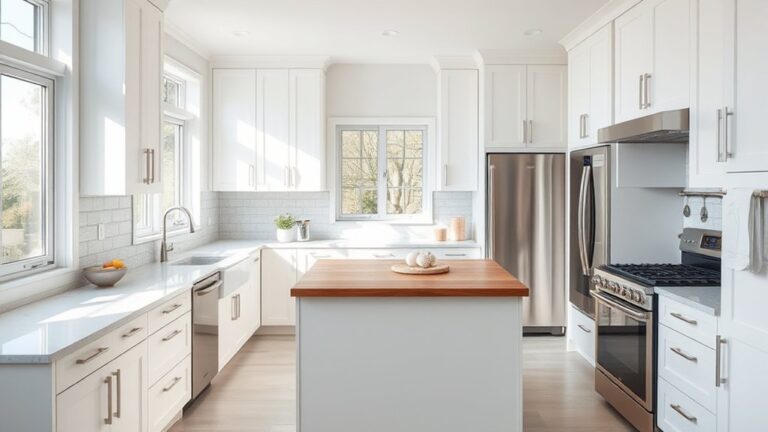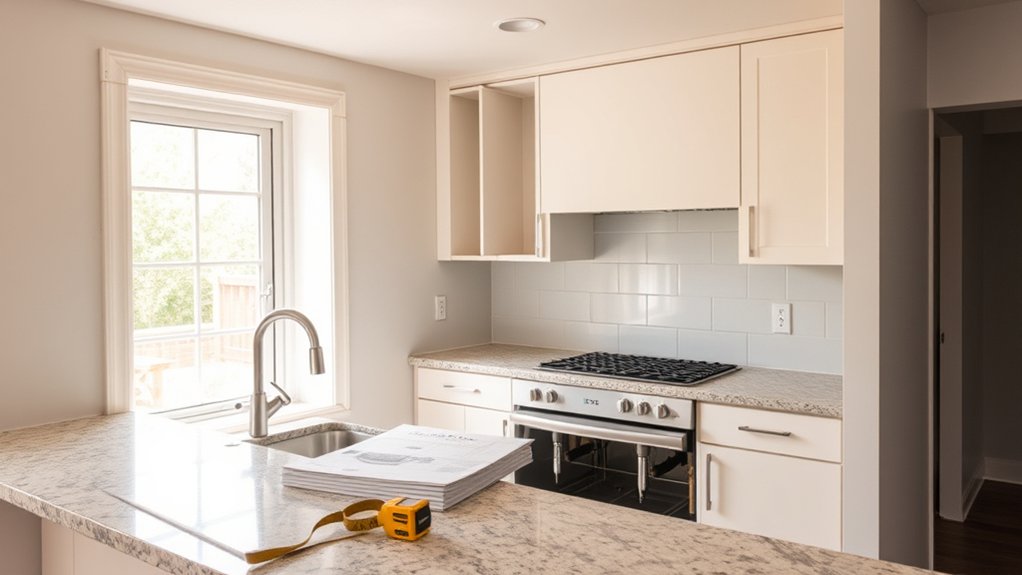
3 Key Factors That Affect How Much a Small Kitchen Remodel Does Cost
If you’re planning a small kitchen remodel, you’re not alone in feeling overwhelmed by the costs. Many people struggle to balance their dream design with a budget that doesn’t spiral out of control. Understanding the key factors that influence expenses can make the process smoother and help you make smart decisions without stress.
When planning your small kitchen remodel, three key factors will shape your costs: cabinet choices, countertop and appliance upgrades, and lighting and plumbing fixtures. Cabinets often take the largest chunk of your budget, especially if you pick custom options.
Countertop materials vary from budget-friendly laminate to pricey quartz or marble, which also affects appliance selection costs. Plus, upgrading lighting and plumbing fixtures can increase both material and labor expenses.
Understanding these areas helps you control spending and get the style you want—there’s plenty more to investigate on how each impacts your budget.
Key Takeaways
- Cabinet choices, including material and customization level, often represent the largest portion of a small kitchen remodel budget. They really set the tone for the whole space.
- Lighting fixture selection impacts cost by balancing brightness, energy efficiency, and style without overspending. It’s all about finding the right fit for your needs.
- Upgrading plumbing fixtures or relocating plumbing lines can significantly increase material and labor expenses. It’s important to consider these changes carefully.
- Countertop and appliance material choices, from laminate to luxury stone or custom appliances, influence overall remodel costs. Your selections here can make a big difference.
- Design complexity and hardware upgrades affect labor costs and the final budget. Simpler designs usually help reduce expenses.
What Drives the Cost of a Small Kitchen Remodel?
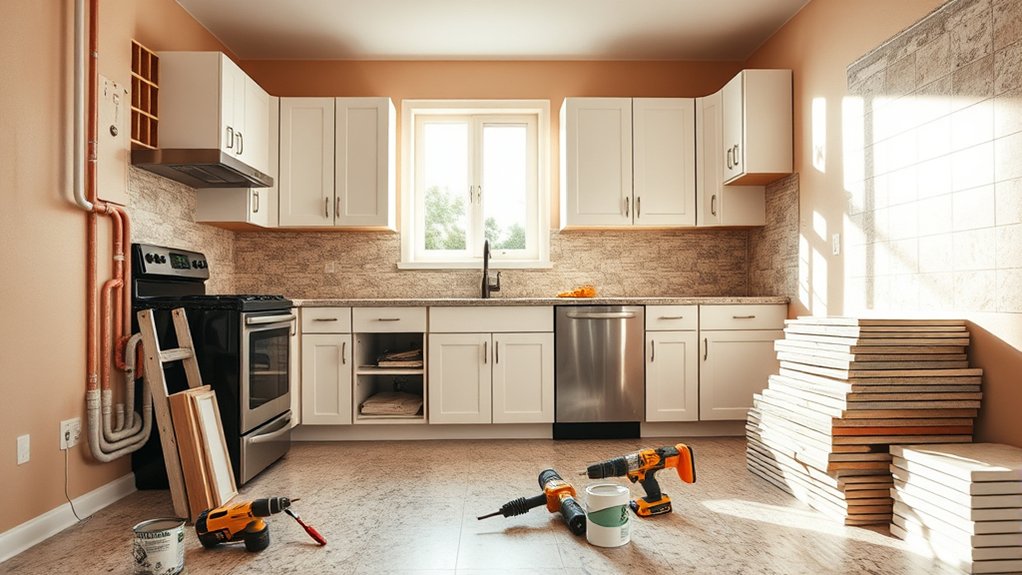
When planning a small kitchen remodel, several key factors will drive the overall cost. One major consideration is the choice of lighting fixtures. You’ll want fixtures that brighten the space effectively without overwhelming your budget.
Opting for energy-efficient LED lighting or stylish pendant lights can add both function and flair but vary greatly in price. Another significant cost driver is the plumbing fixtures. Upgrading your sink, faucet, or installing a new dishwasher impacts both material and labor costs.
If you change the layout and move plumbing lines, expect higher expenses due to the complexity. Even small tweaks to water lines can add up quickly. By focusing on quality yet affordable lighting fixtures and plumbing fixtures, you can control costs while enhancing your kitchen’s look and functionality.
Cabinet Choices That Shape Your Remodel Budget
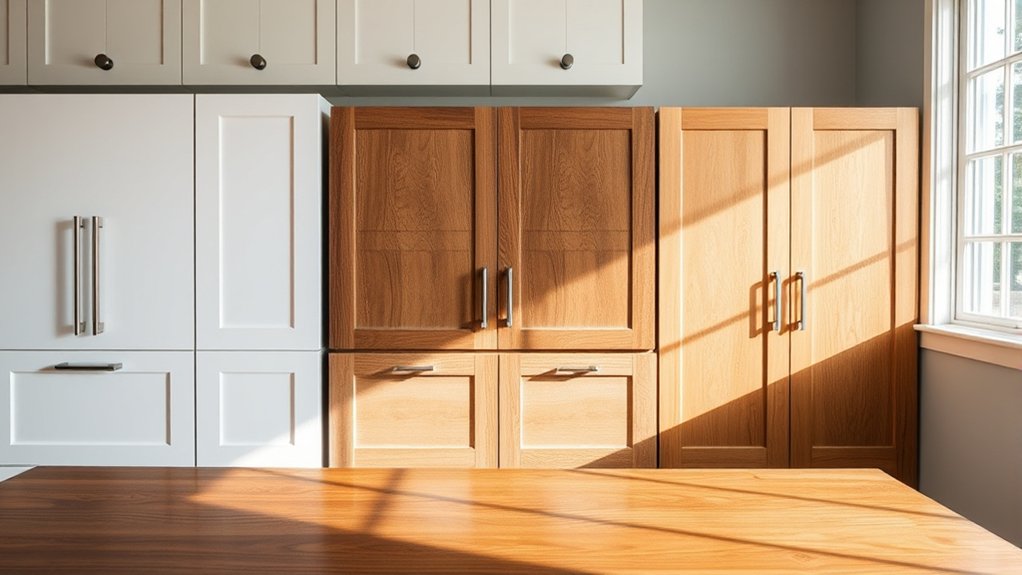
Although cabinets often take up the largest portion of your kitchen remodel budget, choosing the right style and material lets you balance cost with durability and aesthetics. You can opt for stock cabinets to save money or go for semi-custom or custom options if you want a unique look.
Material choice matters too. Solid wood cabinets cost more but last longer, while laminate or MDF options are budget-friendly yet stylish. Keep in mind how your cabinet colors and finishes will complement your lighting fixtures and flooring options to create a cohesive design.
Don’t forget that cabinet installation complexity affects costs, so simple designs save on labor expenses. Also, consider cabinet hardware; small upgrades can raise your kitchen without blowing your budget.
Countertop Materials and Appliance Upgrades: What Costs More and Why
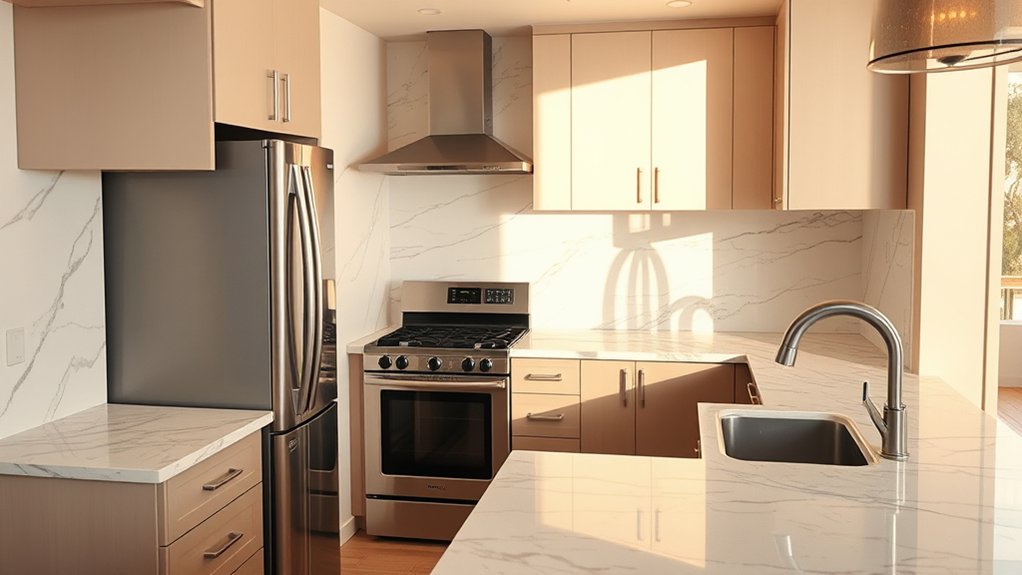
Since countertops and appliances play major roles in both your kitchen’s functionality and style, their costs can substantially impact your remodel budget. Choosing between materials like quartz, granite, or laminate affects your expenses dramatically. Luxury finishes such as marble or exotic stone add elegance but come with higher price tags and maintenance needs.
On the appliance side, opting for custom appliances tailored to your kitchen’s dimensions and design can boost costs but improve efficiency and aesthetics. Standard models save money but might compromise on features or style. Keep in mind that integrating high-end appliances often requires additional electrical or plumbing work, raising labor costs.
To balance cost and quality, prioritize where you want luxury finishes or custom appliances and where simpler options suffice. This strategic approach helps you control expenses while achieving a kitchen that looks great and functions well.
Frequently Asked Questions
How Long Does a Small Kitchen Remodel Typically Take?
A small kitchen remodel typically takes about 3 to 6 weeks. You’ll find that design trends and material choices can impact this timeline.
If you opt for trendy, custom materials, it might add extra time due to sourcing or installation. On the other hand, simpler, readily available materials speed things up.
Staying flexible with your design and material selections helps you keep the project on track and enjoy your refreshed kitchen sooner.
Do I Need Permits for a Small Kitchen Remodel?
Yes, you usually need permits for a small kitchen remodel, but permit requirements vary by location. You should check with your local building department to see what’s necessary.
Since regional labor rules can affect the process, hiring contractors familiar with local codes helps you avoid delays or fines. Getting the right permits guarantees your remodel is safe and up to code, so don’t skip this important step before starting work.
Can I Live in My Home During the Remodel?
Yes, you can live in your home during the remodel, but it might get hectic. To keep things manageable, consider using home staging techniques to organize the space and protect your belongings.
Set up a temporary kitchen area with essential kitchen accessories so you can still cook comfortably. Planning ahead helps you stay sane and maintain some normalcy while the work is underway.
How Do Labor Costs Vary by Region?
Just like a knight’s sword in battle, labor costs can vary widely depending on where you live. Regional pricing plays a huge role, with urban areas often charging more due to higher demand and living costs. You’ll notice labor variability even within states. Coastal cities can be pricier than inland towns.
What Unexpected Expenses Should I Budget For?
You should budget for unexpected costs like hidden water damage, outdated wiring, or structural issues that only show up once the remodel starts. Permits and inspection fees can also surprise you.
To avoid stress, use budgeting tips like setting aside 10-20% of your total budget specifically for these surprises. That way, you won’t have to cut corners or delay your project when unexpected costs pop up.
Conclusion
When remodeling your small kitchen, remember it’s not just about picking pretty cabinets or shiny countertops. It’s like maneuvering the twists and turns of a classic maze. Your choices on cabinets, countertops, and appliances will guide your budget’s path and determine the final cost.
By understanding these key factors, you’ll avoid surprises and create a space that feels just right. This proves that even small kitchens can hold big dreams without breaking the bank. Knowing what affects how much a small kitchen remodel does cost is the first step to smart planning.