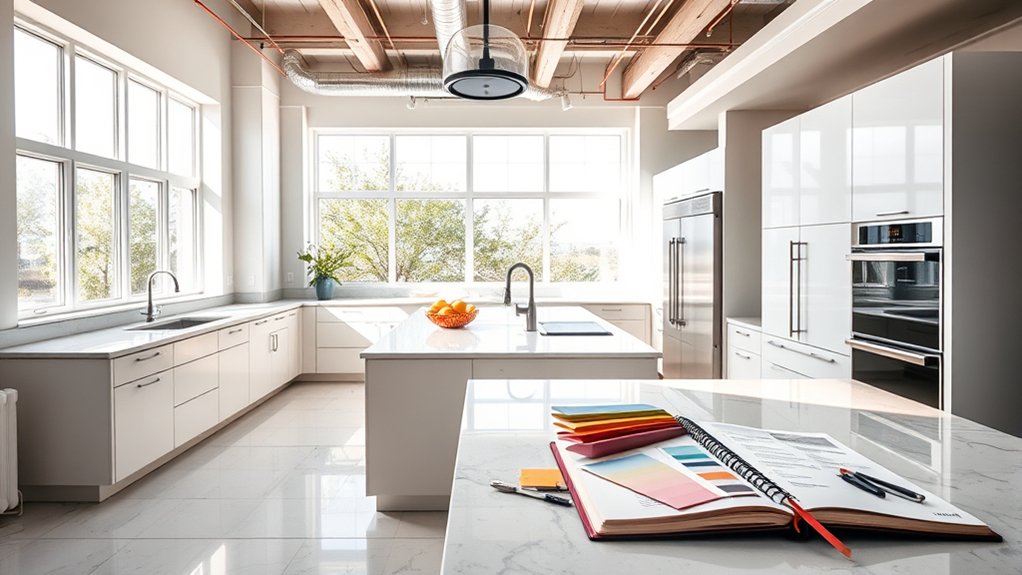
3 Key Factors That Affect How Much to Remodel a Kitchen
Remodeling your kitchen can feel overwhelming, especially when you’re trying to figure out how much it will cost. You’re not alone—many people struggle with budgeting for a kitchen remodel because there are so many factors to consider. Understanding what drives the price can make the process less stressful and help you make smarter choices.
When you remodel your kitchen, three key factors influence the cost: project scope, kitchen size and layout, and material choices. The bigger and more complex your project, the higher the price, especially if you add custom cabinetry or move plumbing.
Your kitchen’s layout affects labor and upgrade needs, while your choice of materials—from budget-friendly laminate to pricey quartz—shapes your final bill. Understanding these can help you manage your budget more effectively as you investigate your options.
Key Takeaways
- Project scope and number of upgrades directly impact remodeling costs. Larger and more complex projects will naturally cost more.
- Kitchen size and layout affect expenses too. Bigger spaces and moves involving plumbing or electrical work increase labor and material costs.
- Material selection, like cabinetry and countertops, influences the overall cost. Balancing style, durability, and budget is key.
- Upgrading appliances, lighting, and fixtures adds to the budget, especially if layout or structural changes are involved.
- Careful planning and prioritizing essential features help manage costs and avoid overspending during the remodel.
How Project Scope Affects Kitchen Remodel Costs
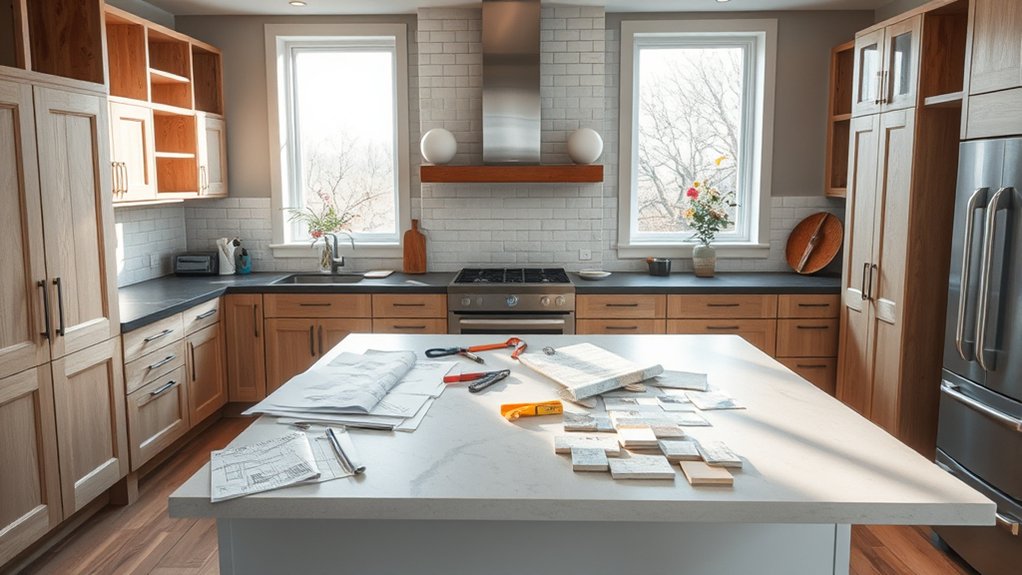
When you decide to remodel your kitchen, understanding how the project scope affects costs is essential. The bigger and more complex your plan, the higher your expenses will be.
For example, if you choose to integrate innovative storage solutions like pull-out pantries or custom cabinetry, you’ll invest more upfront but gain long-term convenience. Likewise, opting for eco friendly appliances can raise initial costs, but they’ll save you money on energy bills and reduce environmental impact over time.
You’ll also need to contemplate whether you’re updating just a few elements or undertaking a full overhaul. Replacing countertops and fixtures costs less than rewiring, plumbing, and structural changes.
By clearly defining what you want, whether it’s a simple facelift or a complete transformation, you can manage your budget better. Remember, the more features and upgrades you include, the more your kitchen remodel costs will rise.
Planning carefully helps you get the best value for your investment.
How Kitchen Size and Layout Impact Your Budget
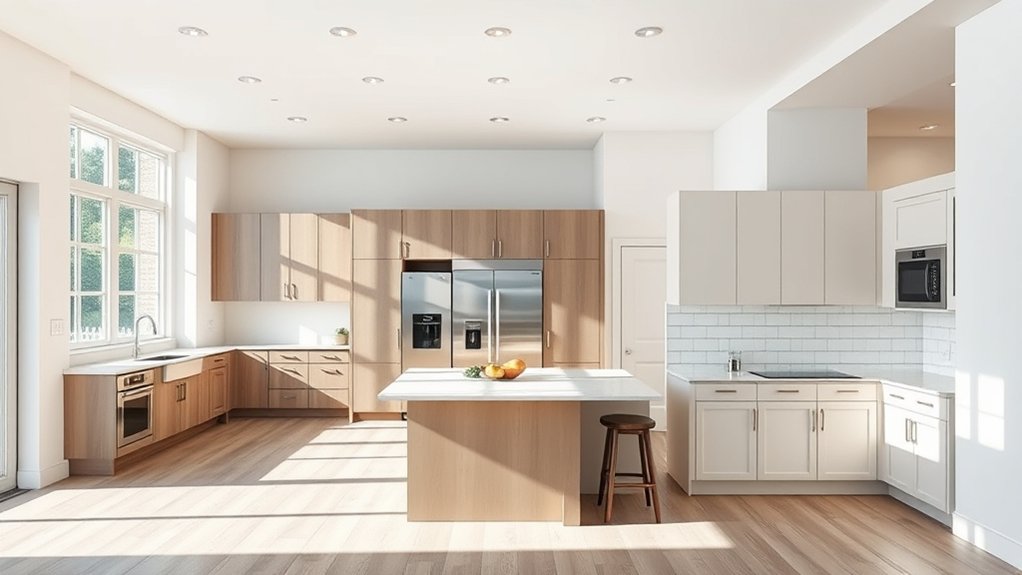
Since kitchen size and layout determine the scope of work, they play a major role in shaping your remodel budget. A larger kitchen naturally requires more materials and labor, increasing costs. If your layout involves moving plumbing or electrical lines, expenses can rise considerably.
Open layouts may need additional lighting upgrades to guarantee the space is well-lit, which adds to your budget. Conversely, a compact kitchen limits how much you can change but might still demand costly appliance replacements to fit the new design.
When you modify your kitchen’s flow, you might also need to invest in custom cabinetry or specialized fixtures, pushing costs higher. Keep in mind that changing the layout often means upgrading wiring or ventilation to meet new appliance requirements.
Choosing Materials: Balancing Style, Quality, and Price
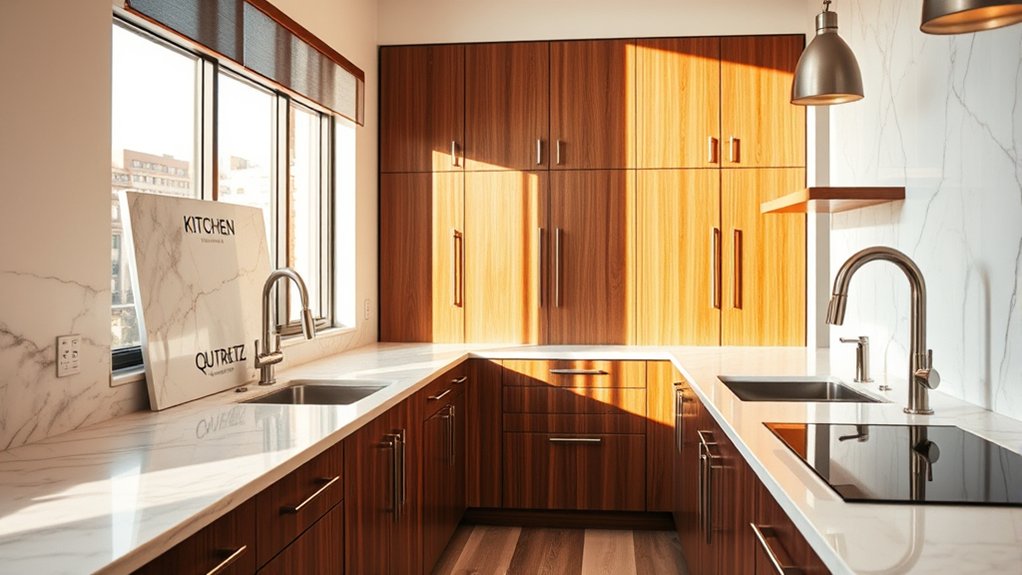
Although choosing materials might seem straightforward, striking the right balance between style, quality, and price can make or break your kitchen remodel. You want cabinet styles that complement your overall design without overspending. For instance, shaker cabinets offer timeless appeal and durability at a moderate cost, while custom cabinets provide unique looks but come with a higher price tag.
When selecting countertop materials, consider both aesthetics and functionality. Quartz offers a sleek, modern appearance and is low maintenance, though it can be pricier. Laminate counters cost less and come in many styles but don’t last as long. Balancing your budget with these choices means prioritizing what matters most to you, whether it’s long-term durability or immediate style impact.
Ultimately, you’ll get the best results by researching options and weighing how each material fits your lifestyle, design goals, and budget constraints before making decisions.
Frequently Asked Questions
How Long Does a Typical Kitchen Remodel Take?
A typical kitchen remodel usually takes about 6 to 8 weeks. If you’re changing your kitchen layout, expect it to take longer because it involves more construction work.
An appliance upgrade can add some time too, especially if new hookups or electrical work are needed. You’ll want to plan for potential delays, but staying organized and communicating clearly with your contractor can help keep things on track and finish sooner.
Do I Need Permits for a Kitchen Remodel?
Don’t let the permitting process feel like a mountain you can’t climb. You usually do need permits for a kitchen remodel. These legal requirements guarantee your project meets safety codes and local regulations.
Skipping them can lead to costly fines or having to undo work. Check with your local building department early to understand what permits apply. That way, you stay on the right side of the law and keep your remodel stress-free.
Can I Live in My Home During the Remodel?
Yes, you can live in your home during the remodel, but it depends on the project’s scope and your comfort level. Managing living arrangements might get tricky with noise, dust, and limited kitchen access.
Sometimes, choosing temporary accommodations nearby can make life easier and reduce stress. If you decide to stay, plan meals ahead and set up a temporary cooking space to keep things manageable throughout the remodel.
How Do I Choose a Reliable Contractor?
You should know that 30% of homeowners report issues with contractors due to poor communication or delays. To choose a reliable contractor, start by checking their reputation through reviews and references.
Make sure they provide a clear project timeline so you can avoid surprises. Don’t hesitate to ask about their experience with similar remodels. Trustworthy contractors are transparent, meet deadlines, and communicate well throughout the project.
What Are Common Unexpected Costs in Kitchen Remodeling?
You’ll often face unexpected expenses like outdated wiring or plumbing that need updating once walls are opened up. Hidden fees can pop up from permits, design changes, or delivery delays.
Also, uncovering mold or water damage means extra repairs. To avoid surprises, you should budget a contingency fund and communicate clearly with your contractor about possible hidden fees.
Staying prepared helps keep your remodel on track and within budget.
Conclusion
When considering a kitchen remodel, keep these key factors front and center. Your project scope shapes spending, while your kitchen’s size and style steer the budget. Selecting materials lets you balance beauty, durability, and dollars.
By paying close attention to these three truths, you’ll craft a kitchen that’s both charming and cost-conscious. So, smartly strategize, stick to your standards, and savor the satisfying success of a stunning kitchen remodel you love.